Kolun.h and Michelin Bib Gourmand Bangkok 2026: Why Queue Times at Hainanese Noodle Houses Signal Authenticity, Not Hype

The Queue Is the Review
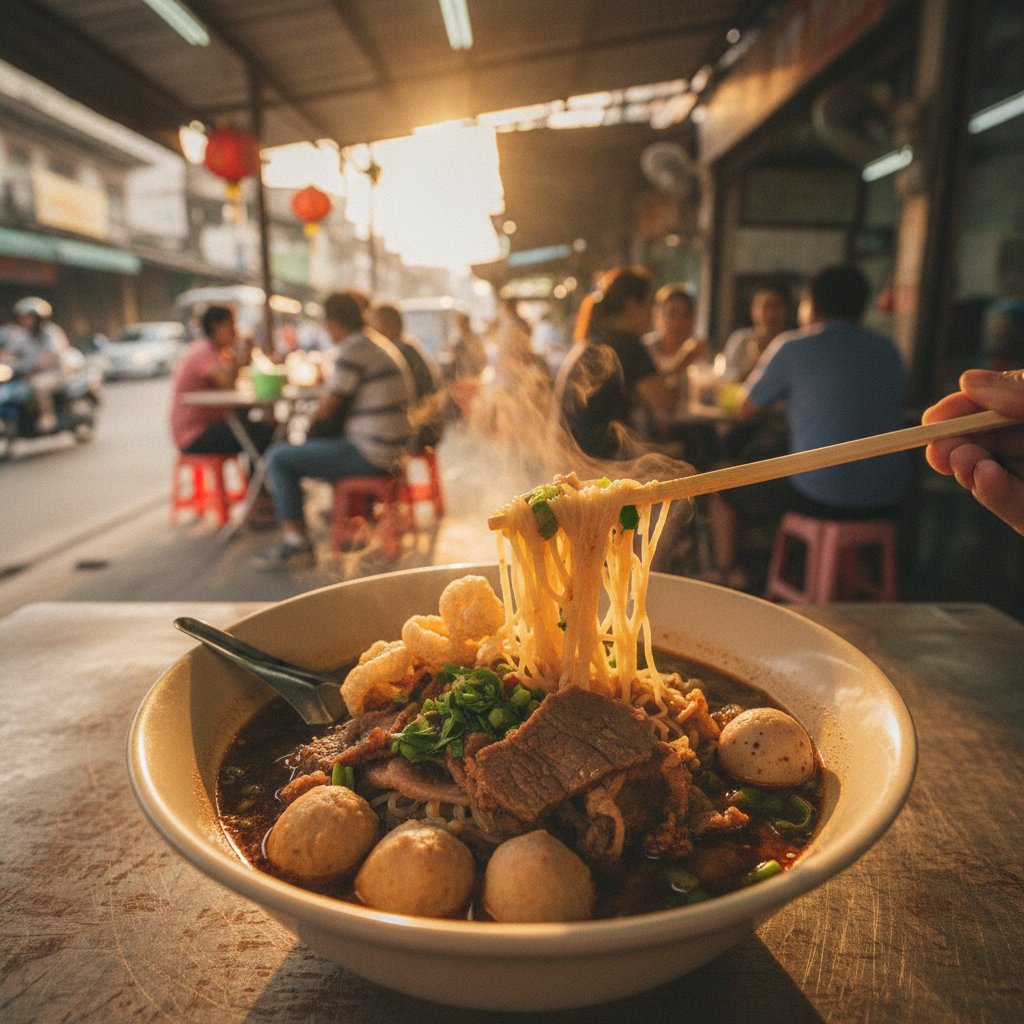
The Michelin Bib Gourmand Bangkok 2026 list dropped, and one name immediately started pulling crowds that had no interest in waiting for a table at a fine-dining room: Kolun.h, a Hainanese-style noodle house celebrated for its crispy pork belly and a broth slow-simmered with the kind of patience that no algorithm can replicate.
No reservations. No PR team. Just a line of people who already know what's inside.
That queue — sometimes stretching before the doors open — is not a nuisance. It is the most reliable quality signal on the Bangkok dining map in 2026. When Michelin's inspectors and the city's most opinionated regulars arrive at the same conclusion independently, you stop calling it hype and start calling it consensus.
Kolun.h: What the Michelin Bib Gourmand Recognition Actually Means
What is the Michelin Bib Gourmand, and why does Kolun.h's inclusion matter?
The Michelin Bib Gourmand is awarded to restaurants offering exceptionally good food at moderate prices — typically two courses and a drink under a defined price threshold. Kolun.h's inclusion in the Bangkok 2026 list confirms it delivers outstanding Hainanese-style noodles with crispy pork belly and rich broth at a price point accessible to daily diners, not just special-occasion spenders.
The Bib Gourmand category sits deliberately outside the starred tier. Michelin uses it specifically to surface the kind of places where locals eat obsessively — not because there's nowhere else to go, but because there's nowhere they'd rather be.
Kolun.h earns this recognition through two things the inspectors weight heavily: consistency and specificity. The Hainanese noodle tradition it draws from is a distinct culinary lineage — Chinese immigrant cooking that absorbed Thai ingredients and techniques over generations, producing broths and preparations that taste like nowhere else on earth.
Insider insight: In Bangkok's most competitive food city in Southeast Asia, a Bib Gourmand nod to a noodle house is rarer than it sounds. The category skews heavily toward restaurant formats with broader menus. When a specialist shop focused on one bowl earns the recognition, the inspectors are essentially saying: this single thing is done better here than almost anywhere.
The crispy pork belly at Kolun.h — the dish that regulars cite first — represents the kind of technical precision that doesn't announce itself loudly. The skin crackles without being aggressive. The fat renders to silk. The broth beneath it carries hours of work in every spoonful.
Arrive early. The queue is real, and the kitchen runs through its best cuts before noon on busy days.
The Bangkok Noodle Culture Context: Why Hainanese Traditions Still Win
Bangkok's 2026 Michelin Bib Gourmand list doesn't just recognize Kolun.h in isolation. It confirms a broader truth about the city's food identity: the dishes with the longest roots draw the longest lines.
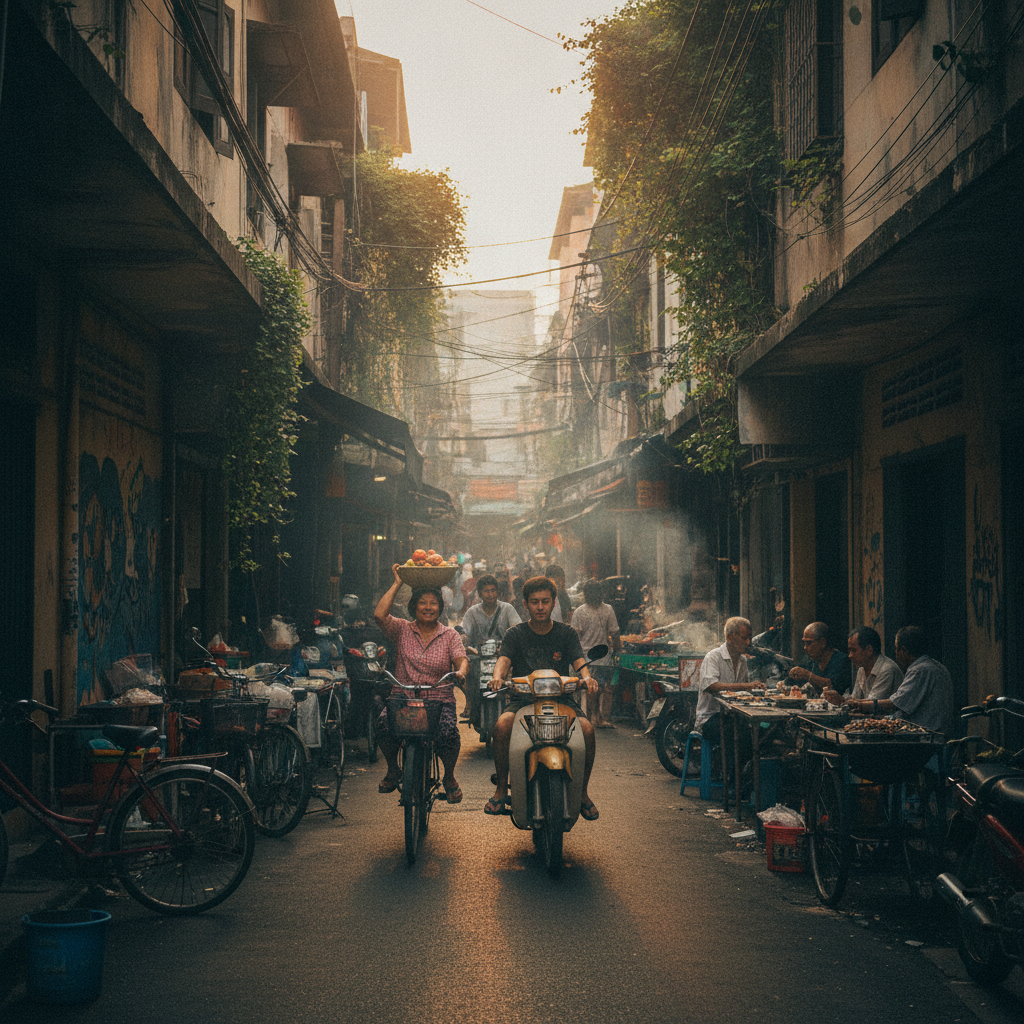
Hainanese cooking arrived in Thailand with waves of Chinese migrants, primarily from Hainan province, over the past century and a half. Unlike Cantonese or Teochew food — which asserted themselves loudly in Bangkok's Chinatown — Hainanese culinary influence embedded quietly into everyday Thai-Chinese cooking. The slow-simmered broths, the precise meat preparations, the restrained seasoning philosophy: these became the backbone of a category of Bangkok eating that most visitors never find and most expats only discover after years of living here.
Kolun.h makes that tradition findable. The Michelin recognition gives it coordinates. But the queue tells you the coordinates were always worth seeking.
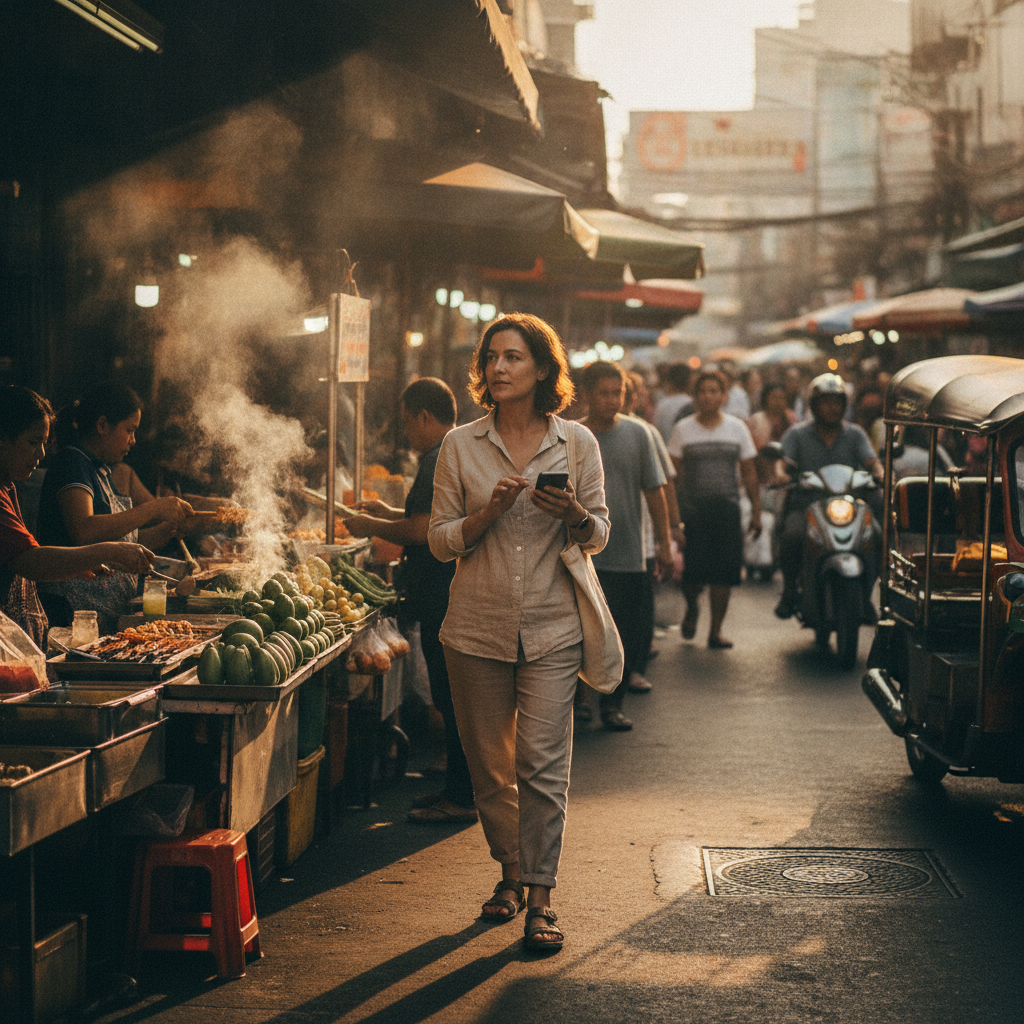
This matters for anyone building a serious mental map of Bangkok eating in 2026. The city's food scene is not best understood through rooftop restaurants or hotel lobbies. It's best understood through the places where the same faces appear week after week — where regulars greet the staff by name and know exactly which table catches the best breeze.
For a deeper look at how Bangkok's most authentic neighborhoods preserve culinary and cultural traditions under enormous development pressure, our piece on Talat Noi's changing identity gives essential context for the same dynamics playing out across the city.
Living Near Great Noodles: The Practical Bangkok Lifestyle Picture
Access to places like Kolun.h isn't just a food preference — it's a quality-of-life variable that serious Bangkok residents factor into where they choose to live. Here's what the broader lifestyle landscape looks like for food-forward expats in 2026:
- Michelin Bib Gourmand dining is affordable by design. The recognition is specifically calibrated for exceptional value. Eating at Kolun.h regularly fits comfortably within the kind of budget breakdowns we've mapped in our guide to real monthly costs for singles living in Bangkok.
- Cante Bangkok opened September 2026 on Sukhumvit Soi 12 (Asoke). Chef Sandro Aguilera's Spanish fire grill and taberna concept at Canopy by Hilton Bangkok Sukhumvit brings bold sharing plates and drinks to the same general corridor where transit connectivity is strongest.
- The night market circuit remains essential. Jodd Fairs Ratchada runs daily and is the current reigning phenomenon for street food and atmosphere. Train Night Market Srinagarindra operates Thursday through Sunday with a local vintage character. Yaowarat (Chinatown) is the permanent anchor of Bangkok's food-after-dark culture.
- Vault Fitness opened July 2026 on Sukhumvit 16, offering HIIT classes integrated with infrared saunas and ice baths — a direct response to the city's growing appetite for recovery-led wellness, not just cardio.
- Bangkok's 28th International Festival of Dance & Music runs September 5 through October 17, 2026 at the Thailand Cultural Centre — the cultural calendar anchor for arts-oriented residents this season.
- BTS Sukhumvit Line connectivity remains the single most important variable for daily access to all of the above. Asoke interchange — where the BTS and MRT Blue Line meet — is still the best-connected point in the city for residents who want to reach Michelin-listed noodle shops, new fitness studios, and Spanish fire grills without sitting in traffic.
What the Bib Gourmand Wave Means If You're Investing in Bangkok Property
The density of Michelin Bib Gourmand recognition in Bangkok's central districts is not a coincidence — it tracks directly with the neighborhoods where serious long-term residents concentrate. And where serious long-term residents concentrate, rental demand stays robust.
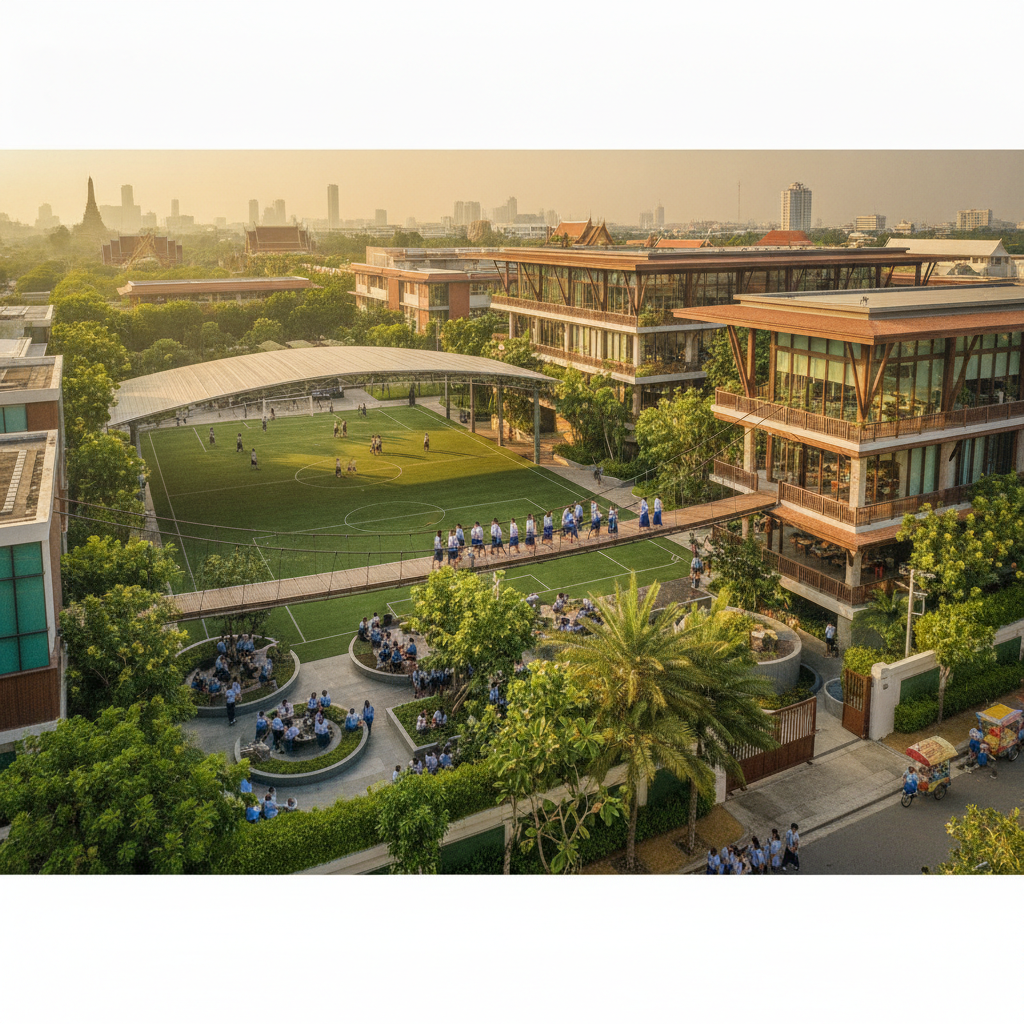
Thailand's residential real estate market is valued at $31.71 billion in 2026 and is projected to reach $40.68 billion by 2031. That growth trajectory reflects exactly the kind of lifestyle infrastructure — Michelin-recognized dining, boutique fitness, international school access — that makes Bangkok's central districts compelling to corporate tenants and expat families who pay top-tier rents.
For investors targeting the Sukhumvit corridor specifically, the logic is straightforward: the same walkability and transit connectivity that puts a resident within reach of Kolun.h, Cante Bangkok, and Vault Fitness also puts them within reach of international schools, CBD offices, and the BTS/MRT interchange at Asoke. That convergence sustains occupancy rates and protects rental pricing through market cycles.
Foreign buyers should note: the 49% foreign freehold condo quota per project remains unchanged as of September 2026. Proposals to raise limits to 70–75% or extend leaseholds to 90 years have not yet translated into finalized legislation. Freehold condominium ownership continues to be the most legally secure path for individual foreign buyers. And for those budgeting purchase costs, standard transfer taxes (typically 2% of appraised value) apply — the reduced 0.01% transfer fee extended through June 2027 is available only to Thai nationals. Our detailed breakdown of what foreign buyers actually pay at transfer is worth reading before you reach contract stage.
For first-time renters trying to understand what the Sukhumvit corridor actually costs before committing to a purchase, the current picture of Bangkok condo rental prices in 2026 is a grounding reference point.
Find Your Bangkok: Let's Start with the Neighborhood That Fits Your Life
If the Kolun.h queue taught you anything, it's that the best things in Bangkok reward the people who've done their homework. The same principle applies to finding the right building, the right street, and the right lease structure for where you actually want to live.
Whether you're a food-driven expat trying to build a life within walking distance of great noodles and a serious fitness studio, or an investor mapping rental yields against lifestyle infrastructure — the next step is a conversation, not another scroll.
Reach out to the team at TheRealtors.net for a no-pressure neighborhood walkthrough, a floor-plan comparison across available Sukhumvit listings, or a frank briefing on foreign ownership structures in 2026. We'll tell you what we'd actually do if we were buying or renting here today — queue times and all.
Request a private property briefing or floor-plan analysis → Contact us through the site and tell us your target neighborhood, budget, and move-in timeline. We'll handle the rest.