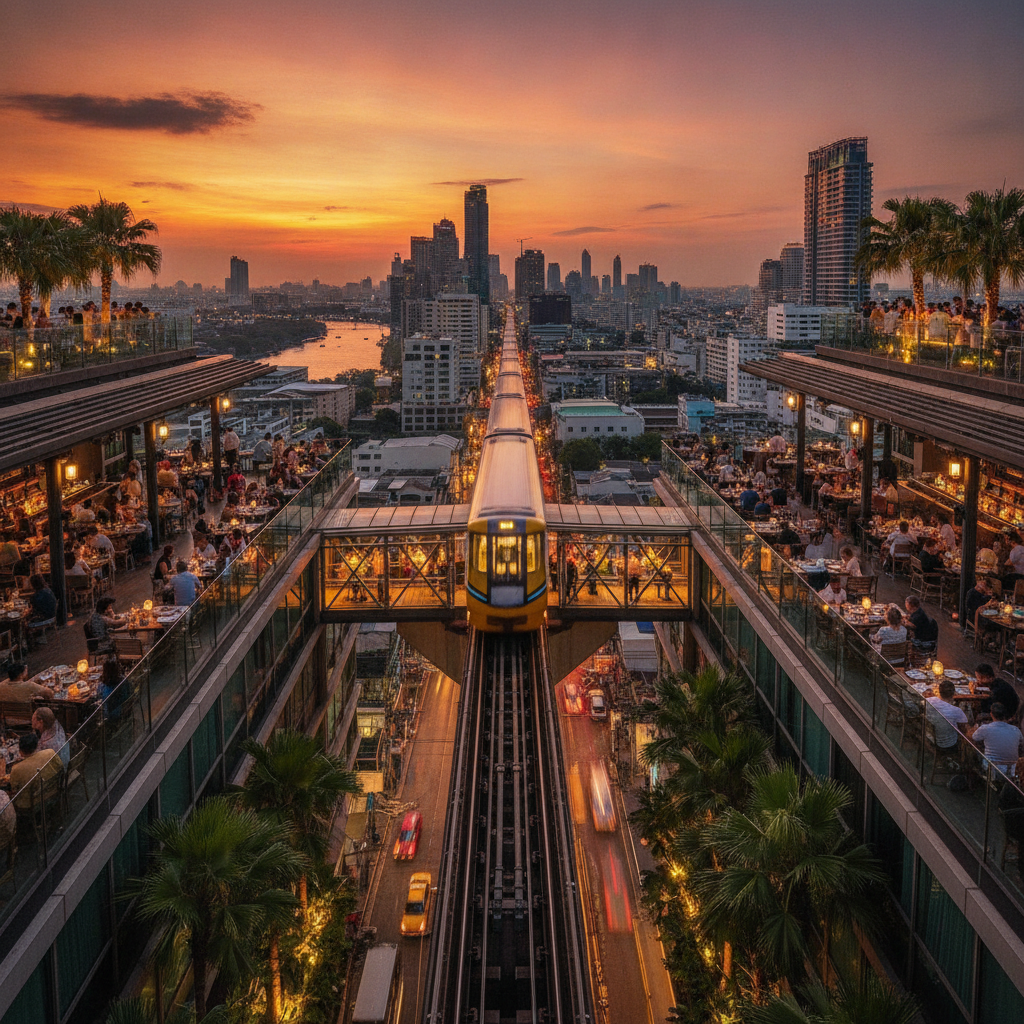
Bang Na Yellow Line, Fatty's Rooftop, and the Outer-District Lifestyle Shift Rewriting Bangkok's Property Map

Why Bang Na Is the Bangkok District Every Serious Investor Is Watching Right Now
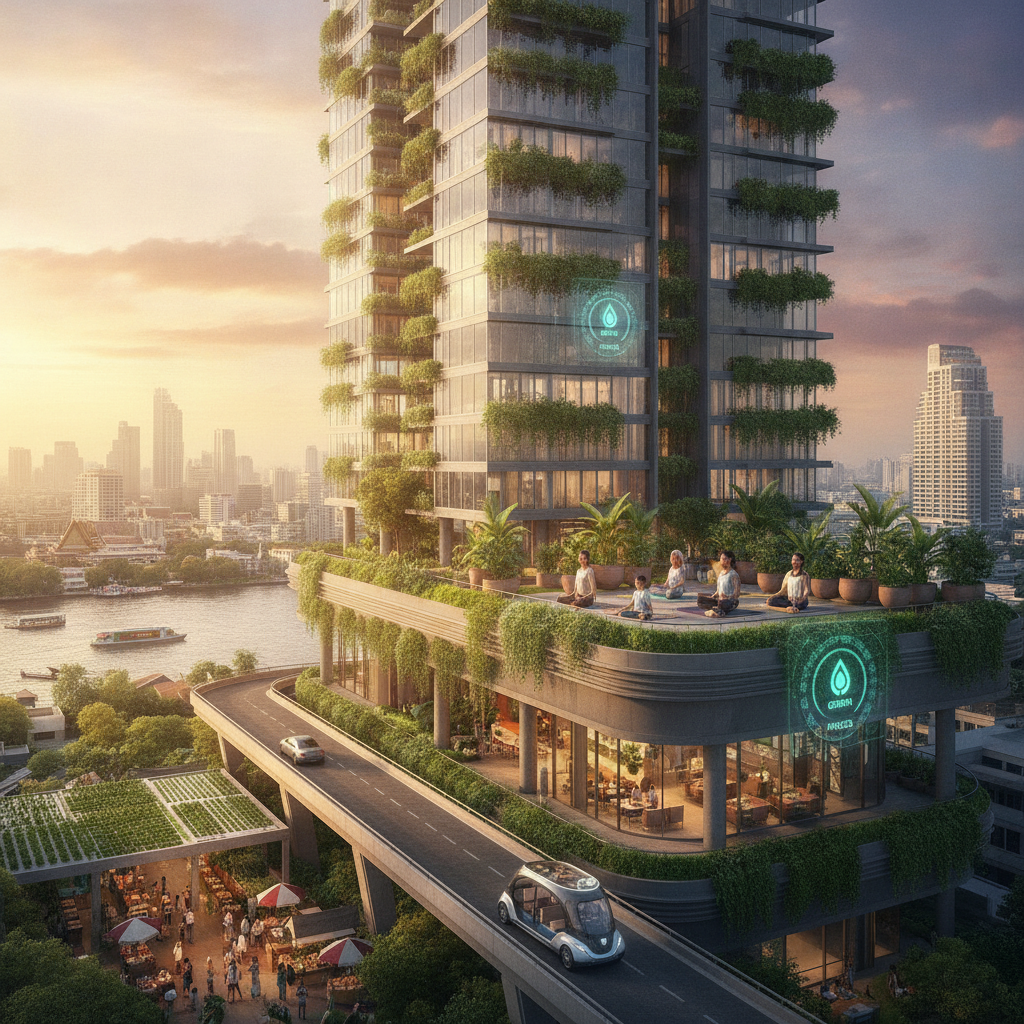
Outer-district Bangkok has always been the contrarian's play. While headline money chased Sukhumvit penthouses and Sathorn serviced residences, Bang Na quietly assembled the infrastructure that turns a bedroom suburb into a self-sustaining lifestyle corridor — and in late 2026, that assembly is complete enough to matter.
The BTS Yellow Line extension connecting to BTS Bearing is now operational, slashing commute times for Bang Na residents and ending the district's stubborn reputation for car-dependency. That single infrastructure event, combined with large-format retail anchors like IKEA and Mega Bangna already in place, has repositioned Bang Na as a credible full-lifestyle address rather than just an affordable fallback.
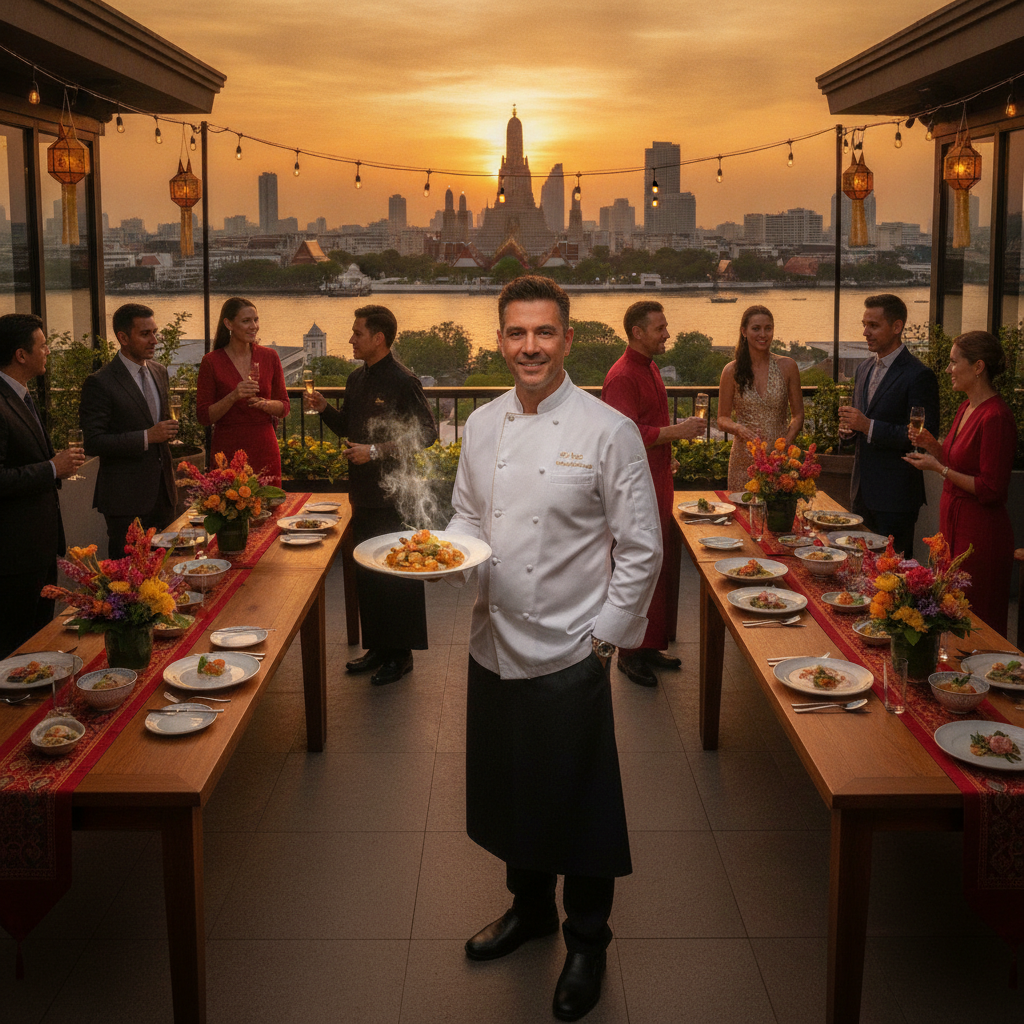
Now, rooftop dining is arriving. Fatty's — a new rooftop bar and restaurant — is set to open in November 2026, adding the kind of sky-high social infrastructure that transforms a residential district into a destination. When transit connectivity and dining culture arrive simultaneously, property fundamentals shift.
Fatty's November Opening and the Rooftop Dining Signal Every District Watcher Should Read
What does a new rooftop restaurant opening in Bang Na mean for local property values?
A new rooftop restaurant opening in Bang Na signals rising discretionary spending power among local residents and signals to developers that the district can sustain premium hospitality. Combined with the Yellow Line extension driving foot traffic, it accelerates the transition from affordable suburban address to aspirational lifestyle district, supporting both rental demand and capital values.
Fatty's arrival is not an isolated hospitality event. It is evidence of a commercial decision: an operator has underwritten the district's purchasing power enough to bet a rooftop concept on it. Operators don't open sky-high venues in areas without the residential density and income profile to fill seats week after week.
The calculus is straightforward. Bang Na already has IKEA, Mega Bangna, and Yellow Line transit. Add a rooftop dining anchor and you have the lifestyle stack — retail, transit, social — that attracts the next wave of residents who then drive the next wave of commercial openings. This is a self-reinforcing cycle that central-Bangkok investors recognise immediately because they watched the same sequence play out in Thonglor a decade ago.
Insider Insight: In Bangkok's outer districts, the arrival of a rooftop dining concept is a more reliable early-gentrification signal than a new condo launch. Hospitality operators underwrite local demographics with their own capital before they commit — making Fatty's November opening a sharper leading indicator than any developer sales brochure.
It also pairs with a broader citywide trend. Compare the riverside trajectory: The Langham Bangkok's December 2026 opening with two Michelin-starred chefs is repositioning the Chao Phraya Riverside as Bangkok's luxury dining epicentre. Bang Na's rooftop moment is the outer-district echo of that same trend — premium dining culture radiating outward from the centre along transit corridors.
Living in Bang Na in Late 2026: Transit, Retail, Family Amenities, and Events Within Reach
Bang Na's lifestyle proposition has never been more concrete. Here is what the research data confirms is available to residents right now:
- Transit: The BTS Yellow Line extension to BTS Bearing is operational, providing direct Skytrain access and significantly reducing commute times into central Bangkok — the single biggest historic objection to Bang Na living is resolved.
- Retail: IKEA Bang Na and Mega Bangna provide one of Bangkok's densest concentrations of large-format retail, from furniture and homeware to dining, entertainment, and grocery anchors — all within minutes of residential zones.
- Family infrastructure: Bang Na is explicitly flagged as an emerging family-friendly area, with improved Yellow Line connectivity and large retail complexes making it practical for families with children.
- Rooftop dining (November 2026): Fatty's rooftop bar and restaurant opens this November, adding the district's first high-profile sky-high dining and drinking venue.
- City events within reach: The Amazing Thailand Marathon Bangkok (November 28–29, 2026, starting at Sanam Luang) and Loy Krathong on the Chao Phraya River (November 24, 2026) are accessible via the new Yellow Line corridor without needing a car.
- Running culture: Bangkok's running-race season is now underway, anchored by the Ultra Park Run Thailand 24H Bangkok International Championships at Wachirabenchathat Park (Rot Fai Park) on October 31 – November 1, 2026, and the Saucony Bangkok 10K at Siam Square on October 25 — both reachable via transit from Bang Na.
For families weighing schools, Bang Na's connectivity improvements also translate into broader catchment access. The Yellow Line's link to BTS Bearing opens up commute corridors to international school hubs without adding the traffic stress historically associated with eastern Bangkok suburbia. For a deeper read on how Bangkok's school geography is evolving for families, see our analysis of eastern Bangkok's accelerating family migration and elite school openings.
Bang Na Investment Fundamentals: Yields, Appreciation, and the Outer-District Advantage in 2026
Bang Na sits in the outer-district category that the research data quantifies with precision. Gross rental yields in these transit-improved outer zones are running at 6–8% per year — materially above the 5.0–7.5% gross yields available in established central districts like Sukhumvit, Silom, and Sathorn.
The yield premium exists because purchase prices remain relatively affordable relative to central Bangkok, while rental demand is being upgraded by the Yellow Line extension drawing in a new cohort of transit-dependent tenants: young professionals, families, and corporate tenants priced out of the Phrom Phong–Thonglor corridor.
The macro environment reinforces the case. Luxury and super-luxury completed projects across Bangkok achieved a 95% sales rate in H1 2026, and foreign buyers made up 32% of central Bangkok condo purchases — the highest proportion since 2021. That foreign demand pressure on central inventory makes outer districts with genuine transit connectivity more attractive both as primary residences and as rental investments.
Prices across Bangkok showed 2.2% year-on-year growth in Q3 2026, with developer incentives — cash discounts, gift packages — available in some projects. Buyers with clear criteria can negotiate real net price savings. Separately, the 49% foreign freehold ownership quota remains unchanged in 2026, meaning freehold units in high-demand outer-district buildings remain a finite and therefore appreciating asset class for international buyers.
For context on the fastest-appreciating district in the broader eastern corridor, Rama 9–Ratchadaphisek saw price-per-square-metre rise over 30% in the five years from 2021 to 2026 — driven by exactly the same combination of transit infrastructure and commercial density that Bang Na is now assembling. The outer-district appreciation playbook has a proven recent precedent.
Investors tracking financing structures should also review the Bank of Thailand's LTV extension to June 2027, which has direct implications for how Thai-national buyers can leverage 100% financing on qualifying purchases in emerging districts.
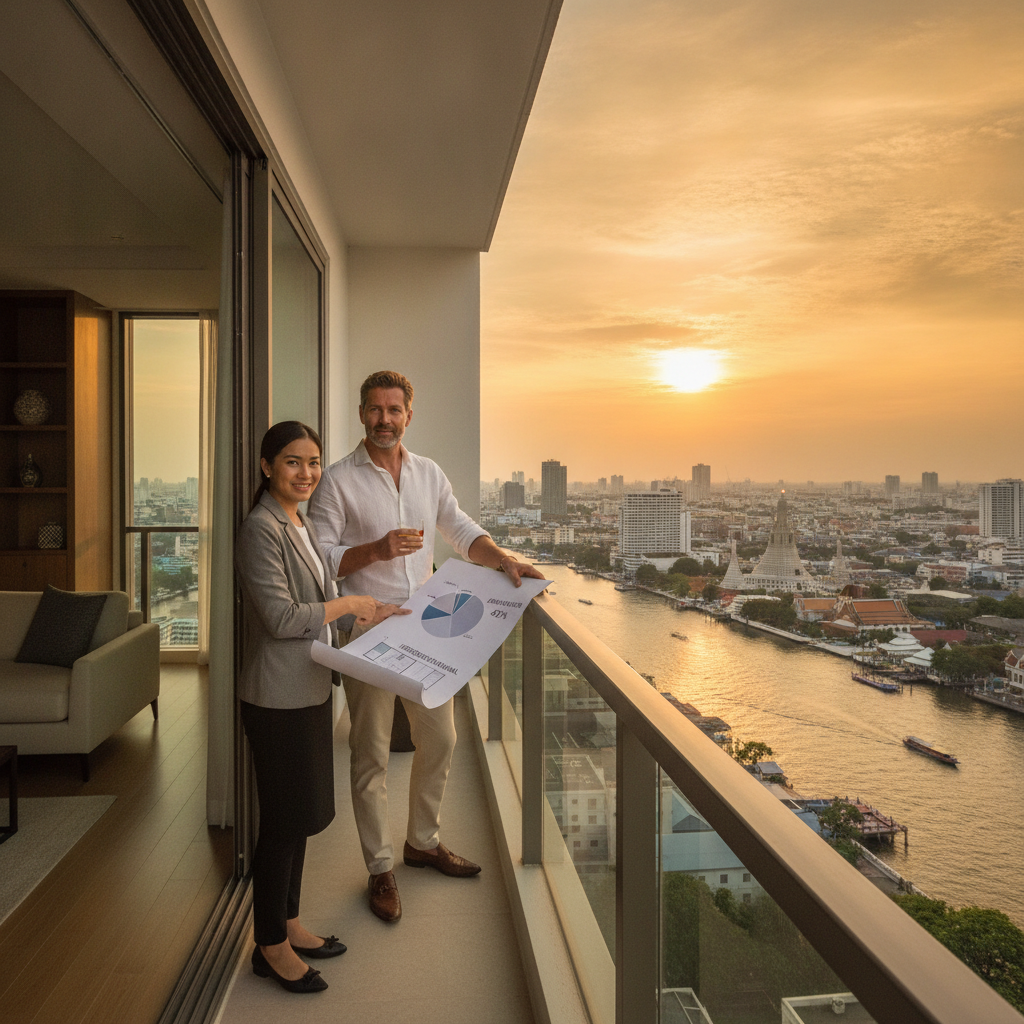
Arrange a Private Floor-Plan Briefing for Bang Na's Best-Positioned Residences
If you are evaluating Bang Na as your next home or investment acquisition, the window between Fatty's opening and the district's next phase of commercial development is precisely the moment when informed buyers move ahead of the price curve.
We offer private floor-plan briefings and yield-scenario analysis for qualified buyers — no obligations, no generic brochure packs. You will receive a curated shortlist of units matched to your specific budget, yield target, or lifestyle brief, along with current net-price intelligence including any developer incentives active right now.
Contact our Bangkok residential team to arrange a confidential consultation, request a specific floor-plan analysis, or ask for a comparative rental-yield breakdown across Bang Na's top-positioned buildings. The conversation costs nothing; moving late on a transitional district always does.