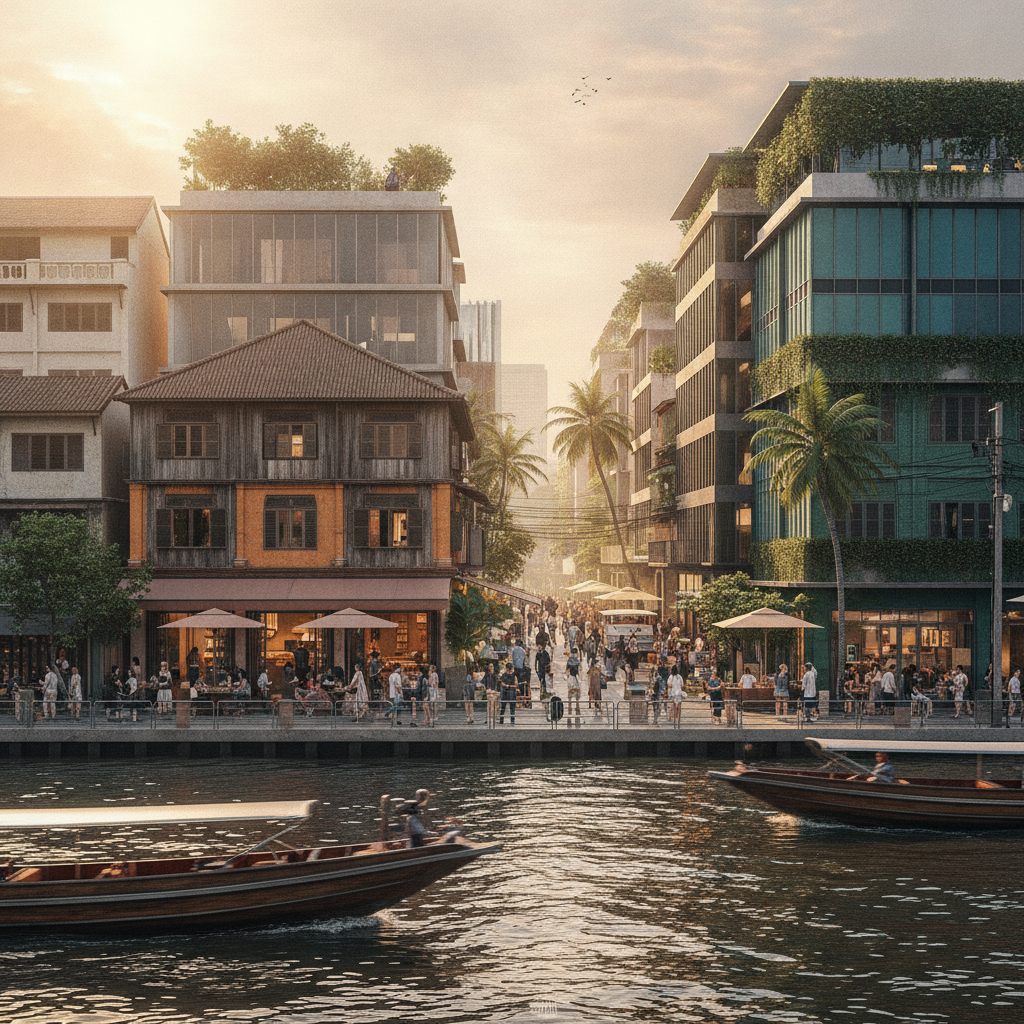
Song Wat's Gentrification Accelerates: When %Arabica and Adidas Signal That Bangkok's Historic Riverside Is Changing Forever

The Moment Song Wat Road Changed
The day %Arabica chose Song Wat Road for its 13th Bangkok branch — not inside a Sukhumvit mall, not on Thonglor, but inside an Adidas Originals store in a century-old riverside shophouse district — the gentrification signal went from amber to red.
This is not a story about a coffee brand. It is a story about capital recognising a neighbourhood before the majority of the market does, and about what happens to the people and the character of a place once that recognition becomes permanent.
For property buyers and investors paying attention to Song Wat Road gentrification and Bangkok's historic riverside, the Arabica-Adidas co-location is a data point, not a lifestyle story. Here is what it actually means.
Song Wat Road: The District's Identity Before the Brands Arrived
What is Song Wat Road and why is it significant in Bangkok's riverside history?
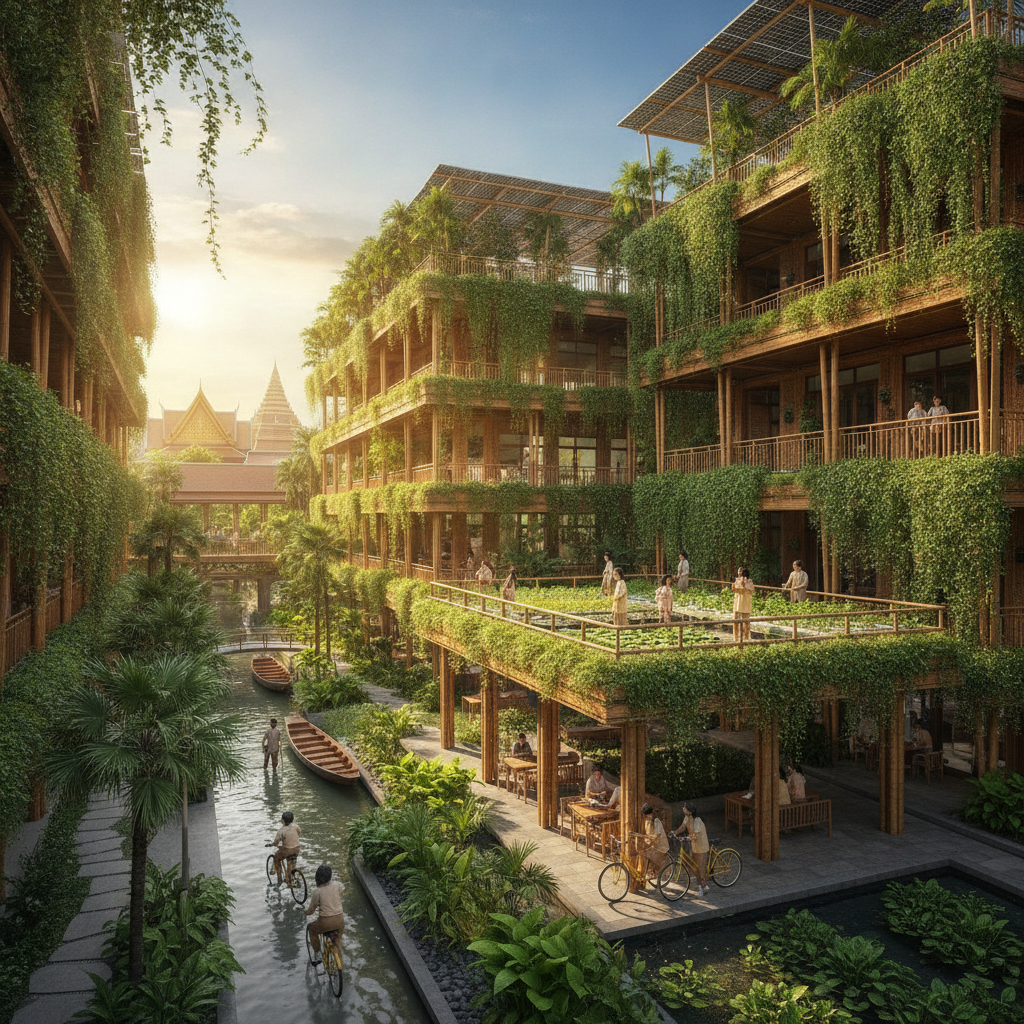
Song Wat Road is one of Bangkok's oldest commercial streets, running parallel to the Chao Phraya River through the Talat Noi and Chinatown fringe. For generations it functioned as a working wholesale and trading corridor — hardware merchants, spice warehouses, Chinese clan houses — precisely the kind of dense, functional urban fabric that global lifestyle brands now co-opt for aesthetic credibility.
The opening of %Arabica inside an Adidas Originals store is the clearest possible signal of that co-option: two premium international brands packaging the district's "trendy and historic energy" (the exact phrase used in retail leasing conversations about the area) as a backdrop for consumption.
Insider property insight: When a globally recognised premium coffee brand selects a specific street for its 13th city location — passing over dozens of higher-footfall alternatives — it is not making a lifestyle choice. It is making a bet that the district's land values and foot-traffic demographics are on an irreversible upward trajectory. Landlords on Song Wat Road received that message the moment the lease was signed.
The Talat Noi and Song Wat corridor sits directly adjacent to the Charoen Nakhon and Riverside districts, where luxury condominiums (80–150 sqm units priced at 10–25 million THB) have already delivered historical capital appreciation of 6–9% per year between 2021 and 2025, according to 2026 market data. Song Wat Road, still priced at a discount to those headline riverside numbers, is where the next phase of that appreciation curve begins.
For a deeper read on how riverside infrastructure compounds these gains, see our analysis of the MRT Purple Line Chao Phraya extension and its impact on riverside condo valuations.
Gentrification Mechanics: What Arabica and Adidas Are Actually Telling the Market
Does gentrification raise property values on Song Wat Road?
Gentrification on Song Wat Road raises short-term property values and rental rates for commercial and residential assets, as premium brand tenants validate the district's desirability to institutional and private capital. However, rising rents simultaneously displace the long-standing local traders and communities who created that desirability in the first place.
The research data is unambiguous about where Bangkok's broader luxury property market sits right now: foreign buyers accounted for 32% of purchases in the premium and super-luxury segments in H1 2026, up from an 18% average between 2021 and 2025. Completed luxury projects in downtown Bangkok are achieving 95% sales rates. Capital is not retreating from Bangkok's premium residential market — it is concentrating.
Song Wat Road and the adjacent Talat Noi precinct are positioned at the exact inflection point where creative-class establishment (independent galleries, artisan cafes, boutique studios) transitions into brand colonisation. %Arabica and Adidas represent the latter phase. The former phase — the edgy, genuinely local character — is already under pressure.
This pattern mirrors what occurred along Charoen Nakhon when ICONSIAM opened: residential land values surged, smaller riverside communities were repositioned or displaced, and the area's identity became inseparable from luxury consumption. Song Wat's trajectory is comparable, but compressed into a narrower, more historically dense urban corridor.
The cultural parallel is worth noting: just as Yaowarat's Chinatown identity sits in constant tension between authentic community life and tourist-facing commercialisation, Song Wat Road is now navigating the same fault line — but with higher-end brand stakes.
Living on and Around Song Wat Road in 2026: The Practical Picture
If you are evaluating a residential purchase or rental in the Song Wat, Talat Noi, or broader Old Town riverside corridor, here is the grounded lifestyle reality for late 2026 and into 2027.
- Dining within reach: Mitr Street, a new six-floor Thai-Chinese street food restaurant and rooftop bar, opened in August 2026 at Tha Tien — directly opposite Wat Pho, a short distance from the Song Wat corridor. It offers nostalgic comfort food in a retro-inspired setting with views across the river. Priced at ฿฿, it is the neighbourhood's most talked-about new opening and a marker of the area's commercial revitalisation.
- Cultural calendar: The Bangkok Art Biennale 2026 (BAB 2026), themed 'Angels & Mara', runs from October 29, 2026 to February 28, 2027 across historic temples, heritage sites, and public spaces throughout Bangkok — the riverside's cultural landmarks are core venues. This brings sustained international art-world attention to precisely the precincts surrounding Song Wat Road.
- Nearby cultural anchor: The Yaowarat Vegetarian Festival (Tesagan Gin Jay) runs October 9–18, 2026 on Yaowarat Road in Chinatown, just minutes from Song Wat, drawing significant foot traffic and media focus to the entire Old Town riverside zone.
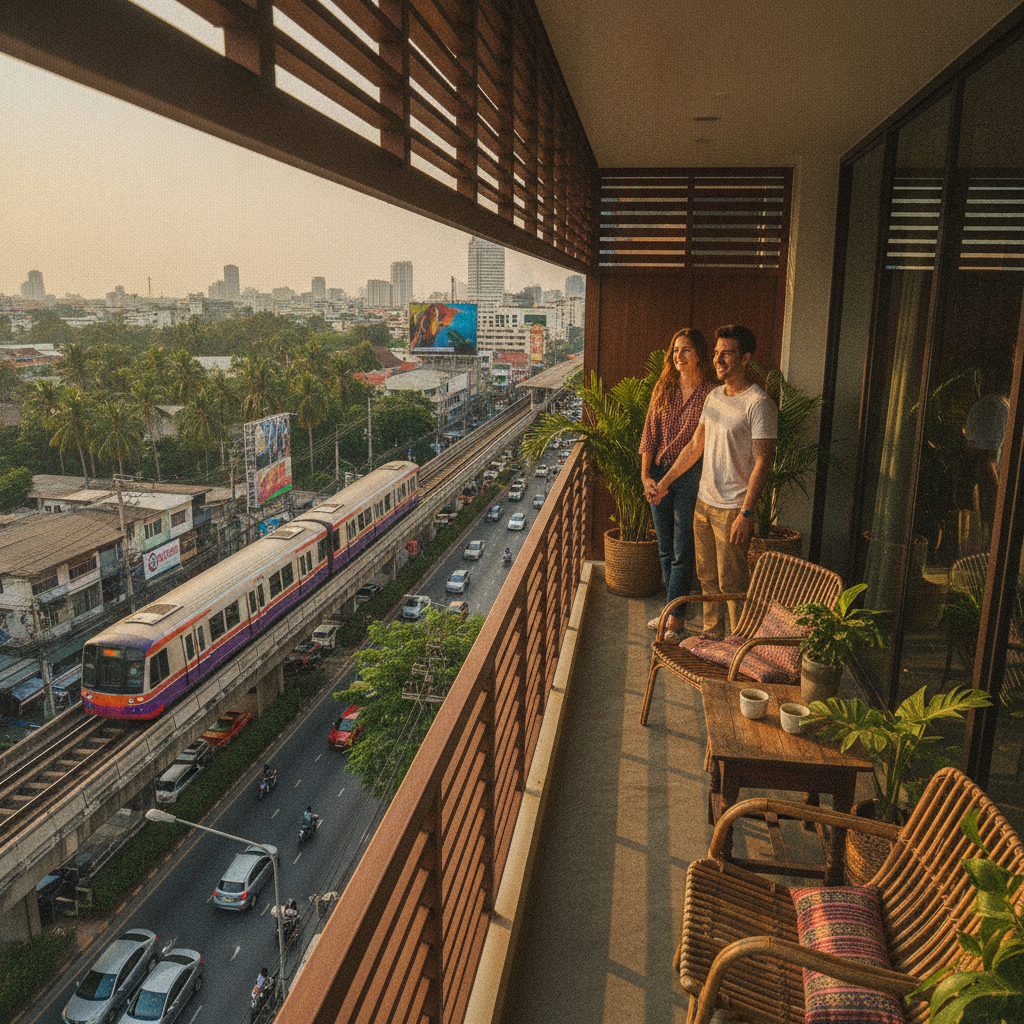
- Transit connectivity: The 20-Baht Flat Fare Policy across MRT lines is designed to make metro travel more affordable and boost ridership across Bangkok's rail network — a structural advantage for riverside residents whose connectivity has historically lagged Sukhumvit-corridor peers.
- Art market signal: Art Bangkok 2026 ('The First Chapter') runs October 8–11 at Siam Paragon's NEX Hall, signalling a strengthening collector and arts-patron community in Bangkok — the demographic that typically leads residential demand in gentrifying creative districts.
The lifestyle offer in this corridor is becoming genuinely compelling. The question for buyers is whether they are pricing in the gentrification premium that is already baked in, or getting ahead of the next leg of appreciation.
Investment Fundamentals: What Song Wat's Gentrification Means for Your Capital
The Riverside and Charoen Nakhon district data from 2026 provides the clearest available comparable for Song Wat Road's investment trajectory. Luxury units in that corridor are priced at 10–25 million THB for 80–150 sqm configurations, carry gross rental yields of 3–4.5%, but delivered capital appreciation of 6–9% per year between 2021 and 2025 — among the strongest appreciation rates of any Bangkok sub-district.
Contrast this with central Bangkok (Sukhumvit, Silom, Sathorn), where gross rental yields run 5.0–7.5% with net yields of 3.5–5.5% and annual capital appreciation of 3–5%. The riverside's yield compression is offset by superior capital growth — a trade-off that suits buyers seeking asset appreciation over immediate income.
The broader market context matters here: Bangkok's overall property market remains fragile in 2026 due to weak economic growth, high household debt, and tight mortgage lending. But the luxury and super-luxury segments — precisely the category that a gentrifying Song Wat Road feeds — are demonstrably decoupled from that fragility. Foreign buyers at 32% of premium segment purchases in H1 2026 are not subject to Thai household debt dynamics.
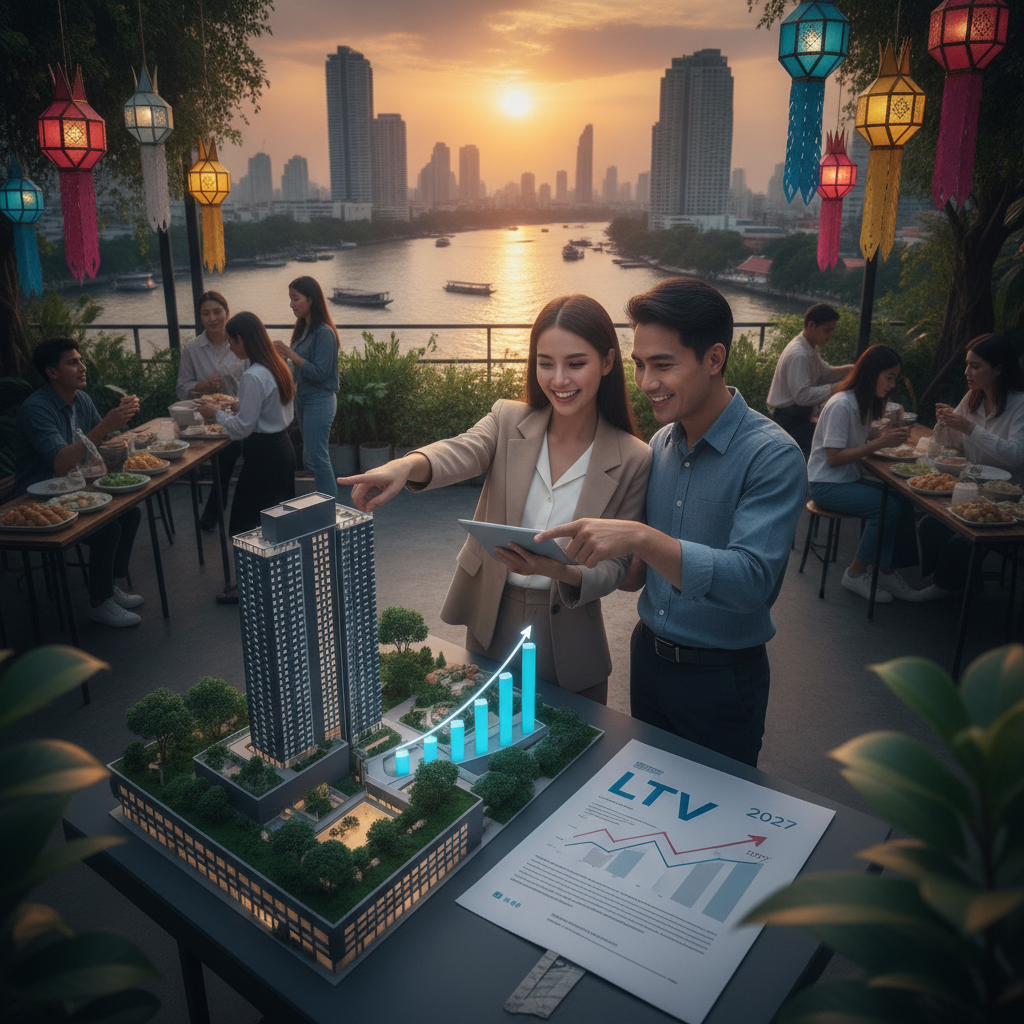
For investors weighing riverside positioning against higher-yield outer-district alternatives, our comparative analysis of Phra Khanong and Bang Na rental yields hitting 8–13% growth provides the full yield-versus-appreciation framework. And if financing structure is your current decision gate, the Bank of Thailand's LTV extension to June 2027 has direct implications for how you structure a riverside acquisition.
One structural risk deserves honest acknowledgement: as brands like %Arabica and Adidas validate Song Wat Road as a premium destination, commercial rents will rise faster than residential rents, potentially squeezing the very independent operators whose presence makes the district attractive. Investors buying in anticipation of continued lifestyle-led gentrification need to track that dynamic closely — over-commercialisation can flatten residential demand as quickly as it inflated it.
Arrange a Private Briefing on Riverside Bangkok Property
Whether you are evaluating a residential purchase in the Song Wat and Talat Noi corridor, stress-testing the capital appreciation case for riverside Bangkok against Sukhumvit-corridor alternatives, or simply want an unfiltered view of where gentrification is creating genuine value versus where it is generating noise — our team works exclusively with serious buyers and investors at this level of analysis.
We do not do open days. We do floor-plan walkthroughs, investment briefs, and neighbourhood deep-dives by private appointment.
Contact us directly to arrange a private briefing or request a detailed floor-plan and yield analysis for a specific riverside Bangkok asset. Provide your target budget range and preferred district, and we will respond within one business day with a curated shortlist and the data to back it up.