Foreign Condo Ownership Quota Bangkok: Investment Reality Check for October 2026

The 49% Rule Is Still the Rule — Stop Waiting for a Policy Miracle
If you are a foreign buyer tracking the Bangkok condo market, you have almost certainly read headlines promising a quota increase to 75% or the advent of 99-year leases. As of October 2026, neither proposal has been enacted into law. The foreign condo ownership quota — capping total foreign-held freehold floor area at 49% of any single building's saleable area — remains exactly where it has sat for decades.
The Bank of Thailand and the government have directed their stimulus energy elsewhere. The extended LTV rules to June 2027 and reduced transfer fees benefit Thai nationals exclusively. Foreign investors receive none of those tailwinds — making independent due diligence on quota availability even more critical right now.
This is not a pessimistic reading of the market. It is a structural reality that demands a sharper acquisition strategy, and the investors who succeed are those who understand the constraint before they fall in love with a floor plan.
Deep Dive: What the 49% Cap Actually Means on the Ground in Bangkok
What is the foreign condo ownership quota in Bangkok and how does it work?
The foreign condo ownership quota in Bangkok limits the total saleable floor area of any condominium building that can be registered under foreign freehold title to 49%. Once that threshold is reached, no additional foreign buyer can hold a freehold title in that building — forcing latecomers into leasehold structures or alternative units.
In practical terms, this means quota status is a living number that changes with every sale and resale. A building that was 35% foreign-owned two years ago can be closed to new foreign freehold buyers today if a wave of resales pushed it over the threshold. Many premium projects along the BTS Sukhumvit and MRT lines in Sukhumvit, Silom, and Sathorn have already reached or are approaching their limits.
The verification process is not automatic. You — or your appointed lawyer — must formally request a quota certificate from the building's juristic person before exchange of contracts. No reputable agent should allow you to sign a reservation agreement without this step completed.
Insider insight: In prime Bangkok condo projects with strong resale markets, the foreign quota can swing by 3–5 percentage points within a single quarter as units change hands. Buyers who delay between verbal agreement and legal verification routinely discover the quota has closed in the interim. Complete your due diligence before emotional attachment to a price point overrides caution.
The scarcity dynamic cuts both ways. A building that is near its 49% ceiling but has a handful of freehold foreign-titled units still available is, by definition, offering something that cannot be replicated once sold. That scarcity is a genuine capital appreciation driver in Bangkok's luxury segment, where prime district yields are already compressing toward 3–4.2% as prices climb.
For foreign buyers who cannot secure freehold in their preferred building, a 30-year leasehold with two registered renewal options remains a legally recognised alternative under Thai property law — but it carries meaningfully different resale dynamics and should never be presented as equivalent to freehold ownership.
What Bangkok's Luxury Market Looks Like Around You Right Now
The broader context for a foreign quota investment decision in October 2026 is a downtown Bangkok luxury market that is moving fast. New condo launches in the luxury and super-luxury segments are concentrated in prime, transit-connected locations, and average asking prices in those areas are projected to rise by up to 15% year-on-year. That is not a soft market — it is a flight-to-quality compression that rewards early movers.
Transit connectivity remains the non-negotiable anchor for value. Properties along the existing MRT Blue Line, BTS Sukhumvit, and the emerging Orange Line corridor are sustaining rental demand from expatriates and professionals even as the broader Bangkok condo market contends with elevated inventory in mid-tier segments. If you want to understand why outer-district yields are currently beating the CBD, the rental yield dynamics in Phra Khanong and Bang Na provide a useful counterpoint to Sukhumvit prime pricing.
The lifestyle infrastructure surrounding Bangkok's prime corridors has also strengthened in 2026. Sühring in Yenakart (Sathorn) earned Three MICHELIN Stars in the 2026 guide — one of only two restaurants in Bangkok with that distinction. INDDEE on Wireless Road (Lumpini) holds two MICHELIN Stars for its progressive Indian tasting menu in a restored century-old house. These are not incidental amenities; they are signals of the calibre of resident a neighbourhood is designed to attract and retain.
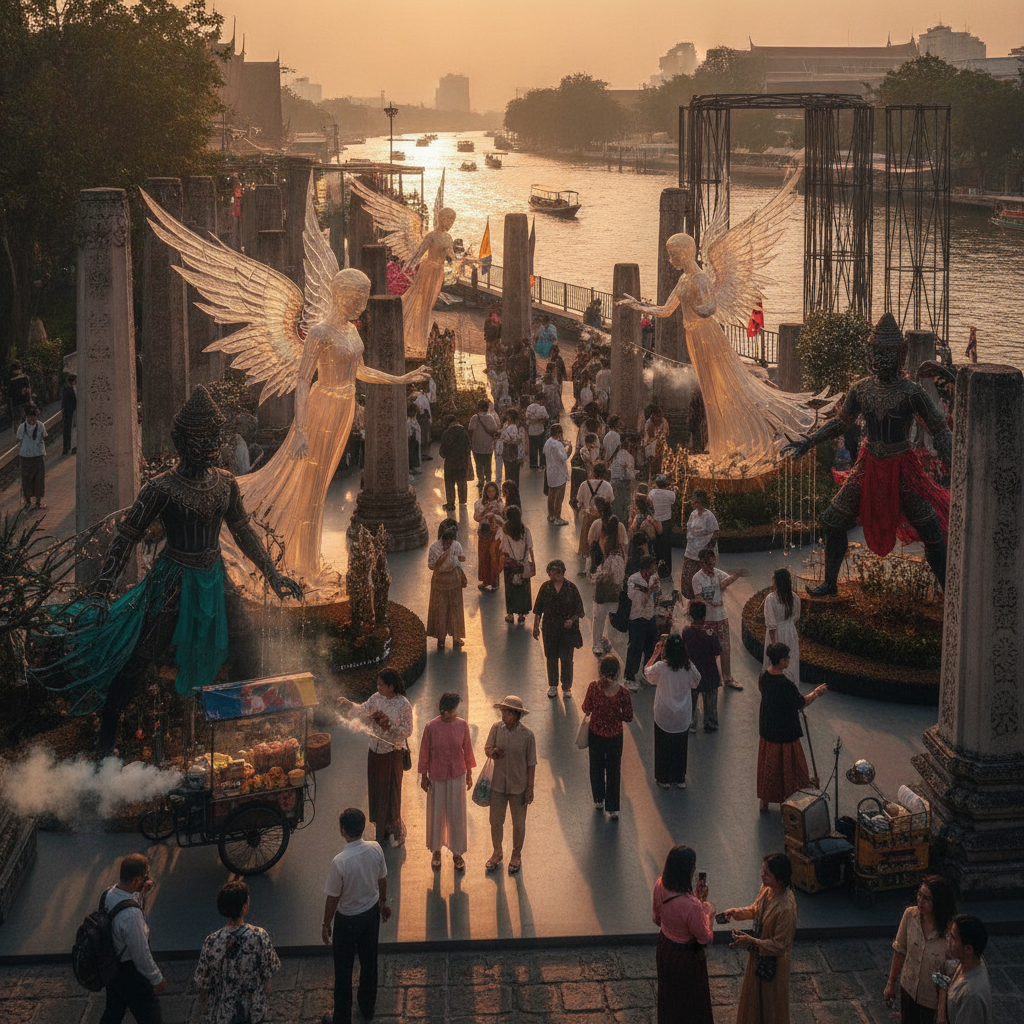
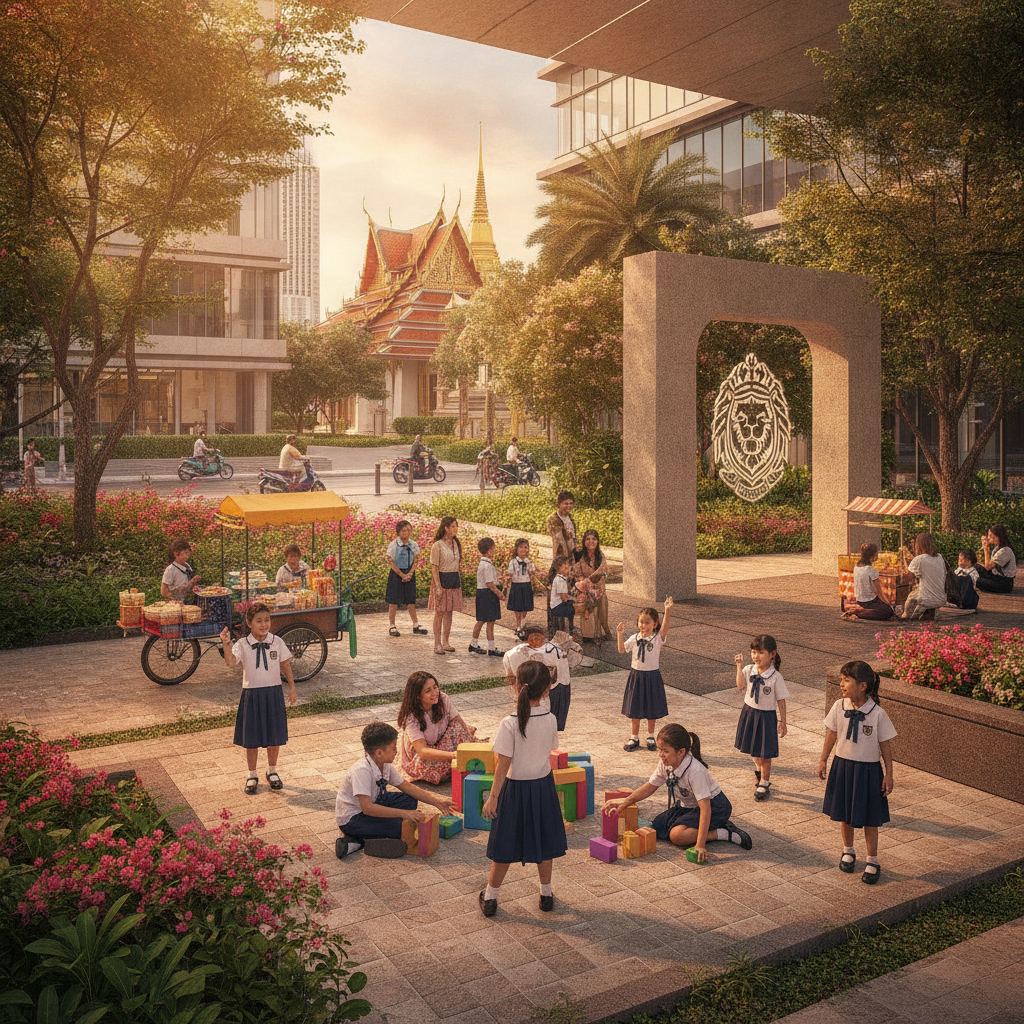
For families evaluating the full living picture alongside an investment decision, NIST International School on Sukhumvit — Bangkok's first full IB World School — continues to anchor expat family demand along the central corridor. And if you are tracking the cultural calendar, the Bangkok Art Biennale 2026 (Angels & Mara) runs from October 29 through February 28, 2027, spanning Wat Arun, Wat Pho, BACC, and One Bangkok — a four-month cultural event that elevates the city's international profile precisely during the prime buying season.
- Dining anchors: Sühring (Three MICHELIN Stars, Sathorn), INDDEE (Two MICHELIN Stars, Wireless Road), etcha (One MICHELIN Star, Thonglor)
- Green space: Lumpini Park hosting 'The Night by Amazing Thailand Season 2' (Oct 16–27, 2026) — wellness, live music, and illuminated art installations, accessible by MRT Lumphini
- International schools: NIST International School (Sukhumvit, full IB World School); Dulwich College International School Bangkok opening August 2026 (Bang Na); Bangkok Patana School (Bang Na, British curriculum IGCSE and A-Level)
- Events: The Weeknd at Rajamangala National Stadium, October 11–13; Saucony Bangkok 10K at Siam Square, October 25; Bangkok Art Biennale opening October 29
- Transit: BTS Sukhumvit and MRT Blue Line connectivity is the single most consistent driver of sustained rental demand and resale liquidity in Bangkok's prime condo market
Investment Fundamentals: What the Numbers Say for Foreign Buyers in 2026
Net rental yields for condos in prime districts — Sukhumvit, Silom, Ari — currently range from 3.0% to 4.2% per annum after all operating costs. Capital appreciation has averaged 3–5% per year over the past decade in THB terms. Neither figure is dramatic in isolation, but combined with a structurally constrained foreign quota (meaning freehold units are a finite, non-replenishable resource in any given building), the total-return case is more compelling than the yield number alone suggests.
The downtown super-luxury segment is the outlier: average asking prices there are projected to increase by up to 15% year-on-year in 2026, driven by new launches concentrating in that tier. For foreign buyers targeting these projects, the quota question is especially acute — high-demand buildings fill their 49% allowance faster, and the window between launch and quota closure is narrowing.
One policy clarification worth repeating: the government's reduction of transfer and mortgage registration fees to 0.01% — extended until June 30, 2027 — does not apply to foreign buyers. Only individual Thai nationals qualify. This means foreign buyers should budget for standard transfer fees in their acquisition cost modelling, and should not be misled by headlines that treat the fee reduction as a universal benefit.
For those exploring visa-linked investment strategies alongside a condo purchase, the THB 3 million Longstay Visa route offers a more accessible entry point for mid-tier expats than the LTR property threshold — worth understanding before you commit to a specific price point.
Get a Quota Verification and Floor-Plan Analysis Before the Market Moves
The foreign condo ownership quota in Bangkok is not going to 75% this year. It may not change before you need to make a decision. The investors who wait for a policy shift and miss the current cycle will pay more for less certainty on the other side.
Our team at TheRealtors.net specialises in verifying live quota availability, running total-acquisition-cost modelling for foreign buyers (including the correct transfer fee calculation), and identifying buildings where freehold foreign-titled units still exist at competitive pricing in Bangkok's prime transit corridors.
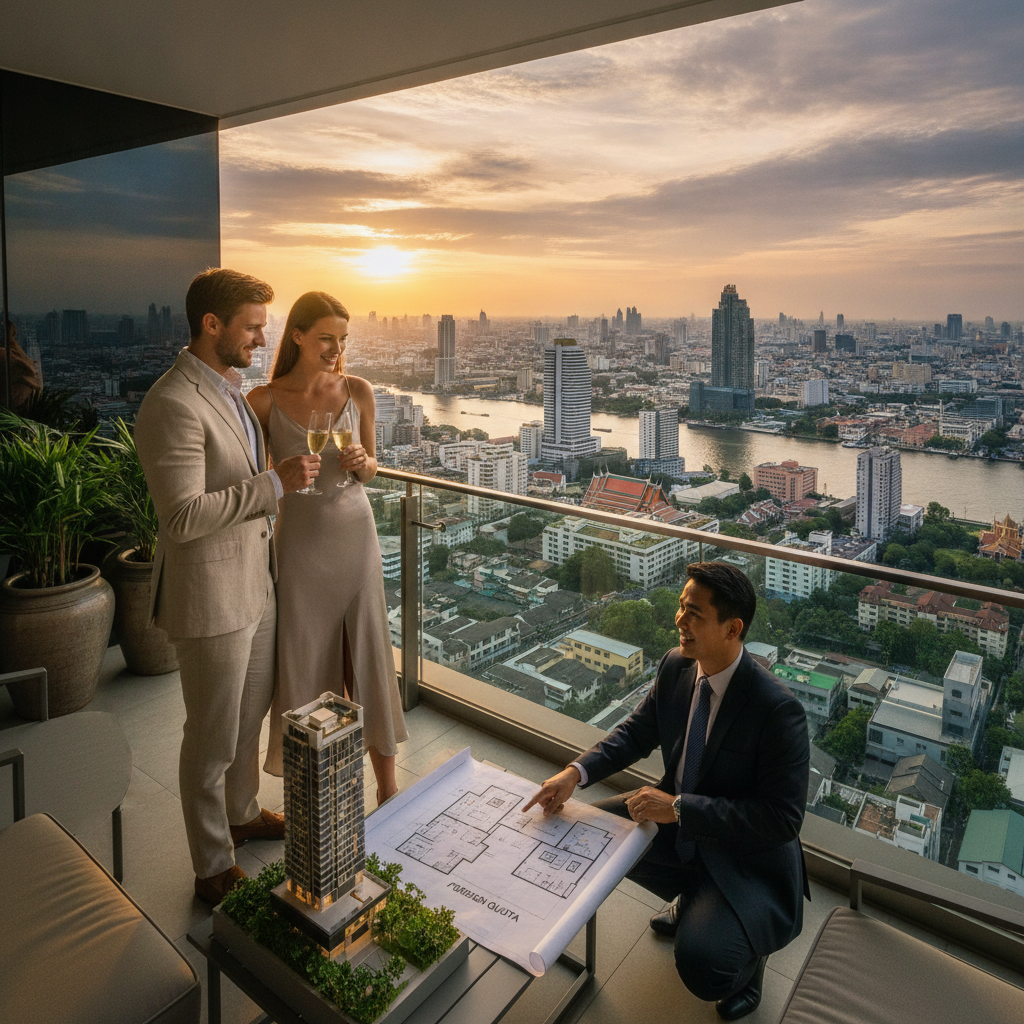
Arrange a private quota verification consultation or request a floor-plan analysis for a specific building or district. There is no obligation — just a precise, current answer to whether the unit you are considering can actually be registered in your name.
Contact us directly to schedule your private consultation or request a building-specific quota report. The sooner you verify, the more options remain open to you.