
ภาษีที่ดิน 2026: ความเสี่ยงที่เจ้าของบ้านและนักลงทุนอสังหาฯ กรุงเทพต้องรู้ก่อนสายเกินไป

ทำไมปี 2569 ถึงเป็นปีที่อันตรายที่สุดสำหรับเจ้าของอสังหาฯ กรุงเทพ
ผู้ถือครองที่ดินและอสังหาริมทรัพย์ในกรุงเทพกำลังเผชิญกับพายุสี่ทิศทางพร้อมกัน ซึ่งไม่เคยเกิดขึ้นพร้อมกันในรอบทศวรรษ และทุกลมพายุล้วนมีกำหนดเวลาที่แน่นอน
ภาษีที่ดินและสิ่งปลูกสร้างจะบังคับใช้เต็มอัตราในปี 2569 โดยไม่มีมาตรการลดหย่อนพิเศษเหมือนช่วงโควิด ขณะที่มาตรการลดค่าธรรมเนียมการโอนกรรมสิทธิ์และค่าจดจำนองที่รัฐบาลให้ไว้จะสิ้นสุดลงในเดือนมิถุนายน 2569 และการประเมินราคาที่ดินรอบใหม่ปี 2570 กำลังตามมาอีกหนึ่งคลื่นใหญ่
ผู้ที่รู้ตัวเลขเหล่านี้ล่วงหน้าจะมีอำนาจในการตัดสินใจ ผู้ที่ไม่รู้จะแบกรับต้นทุนที่หลีกเลี่ยงได้อย่างเงียบ ๆ
"Insider Insight: ในย่านสุขุมวิทและพระราม 9 ที่ดินเปล่าและห้องชุดที่ถูกปล่อยว่างโดยไม่ทำประโยชน์กำลังเจอภาระภาษีที่ดินในอัตราที่สูงกว่าที่อยู่อาศัยประเภทเดียวกันถึง 10 เท่า — นักลงทุนที่ถือยาวโดยไม่มีแผนปล่อยเช่าหรือพัฒนาอาจกำลังนับถอยหลังสู่จุดที่ต้นทุนเกินผลตอบแทน"
ถอดรหัสภาษีที่ดินและสิ่งปลูกสร้าง: ตัวเลขจริงที่กระทบกระเป๋าคุณโดยตรง
ภาษีที่ดิน 2569 คิดอย่างไร และเสียเท่าไหร่?
ภาษีที่ดินและสิ่งปลูกสร้าง (Land and Building Tax) คำนวณจากราคาประเมินของกรมธนารักษ์คูณด้วยอัตราภาษีตามประเภทการใช้ประโยชน์ โดยแบ่งเป็น 4 กลุ่มหลัก ได้แก่ เกษตรกรรม ที่อยู่อาศัย พาณิชย์ และที่ดินรกร้าง ซึ่งอัตราสูงสุดและโทษหนักที่สุดตกอยู่กับกลุ่มสุดท้าย
- ที่อยู่อาศัยหลัก (บ้านที่มีชื่อในทะเบียนบ้าน): อัตราภาษี 0.02%–0.1% ของราคาประเมิน และได้รับการยกเว้นสำหรับมูลค่าแรก 50 ล้านบาท
- ที่อยู่อาศัยรอง (บ้านหลังที่สองขึ้นไป): อัตรา 0.02%–0.1% แต่ไม่มีการยกเว้นมูลค่าฐาน ซึ่งหมายความว่าเจ้าของคอนโดหลายห้องจะรู้สึกชัดเจนที่สุด
- อสังหาฯ เพื่อพาณิชยกรรมหรือให้เช่า: อัตรา 0.3%–0.7% และต้องชำระเต็มจำนวนทุกปี
- ที่ดินรกร้างว่างเปล่า: เริ่มต้นที่ 0.3% และเพิ่มขึ้นทุก 3 ปี จนสูงสุดไม่เกิน 3% ซึ่งเป็นตัวเลขที่สร้างแรงกดดันให้เจ้าของต้องตัดสินใจพัฒนาหรือขายออก
สิ่งสำคัญที่นักลงทุนต่างชาติมักมองข้ามคือ ราคาประเมินที่กรมธนารักษ์ใช้ในรอบปัจจุบัน (2564–2567) นั้นต่ำกว่าราคาตลาดจริงในย่านใจกลางเมืองอยู่มาก แต่เมื่อการประเมินรอบใหม่ปี 2570 มีผลบังคับใช้ ตัวเลขฐานภาษีจะปรับขึ้นตามราคาตลาดที่แท้จริง ซึ่งอาจทำให้ภาษีรายปีกระโดดขึ้นอย่างมีนัยสำคัญ
ค่าธรรมเนียมโอนและจดจำนอง: หน้าต่างที่กำลังจะปิดมิถุนายน 2569
มาตรการลดค่าธรรมเนียมโอนกรรมสิทธิ์หมดอายุเมื่อไหร่?
มาตรการลดค่าธรรมเนียมโอนกรรมสิทธิ์และค่าจดจำนองสำหรับที่อยู่อาศัยราคาไม่เกิน 7 ล้านบาท จะสิ้นสุดในเดือนมิถุนายน 2569 หลังจากนั้นค่าธรรมเนียมโอนจะกลับสู่อัตราปกติที่ 2% และค่าจดจำนองที่ 1% ของมูลค่าสัญญา ซึ่งสำหรับอสังหาฯ มูลค่า 5 ล้านบาท นั่นหมายถึงต้นทุนเพิ่มขึ้นทันที 150,000 บาทหรือมากกว่า
ผู้ที่กำลังอยู่ในขั้นตอนเจรจาซื้อขายและสามารถโอนก่อนเดือนมิถุนายน 2569 จะได้ประหยัดต้นทุนที่จับต้องได้ทันที ในขณะที่ผู้ที่ชะลอการตัดสินใจออกไปจะแบกรับต้นทุนส่วนนี้ทั้งหมดโดยไม่มีทางเลือก
- อัตราปัจจุบัน (จนถึงมิถุนายน 2569): ค่าโอน 1% + ค่าจดจำนอง 0.01%
- อัตราปกติหลังมาตรการสิ้นสุด: ค่าโอน 2% + ค่าจดจำนอง 1%
- ตัวอย่างจริง: อสังหาฯ มูลค่า 5,000,000 บาท — ประหยัดได้ถึง 149,500 บาท หากโอนก่อนกำหนด
- เงื่อนไขสำคัญ: มาตรการนี้ครอบคลุมเฉพาะที่อยู่อาศัยราคาไม่เกิน 7 ล้านบาท ต่อหน่วย
การประเมินราคาที่ดินรอบใหม่ปี 2570: คลื่นลูกที่สี่ที่ยังไม่มีใครพร้อม
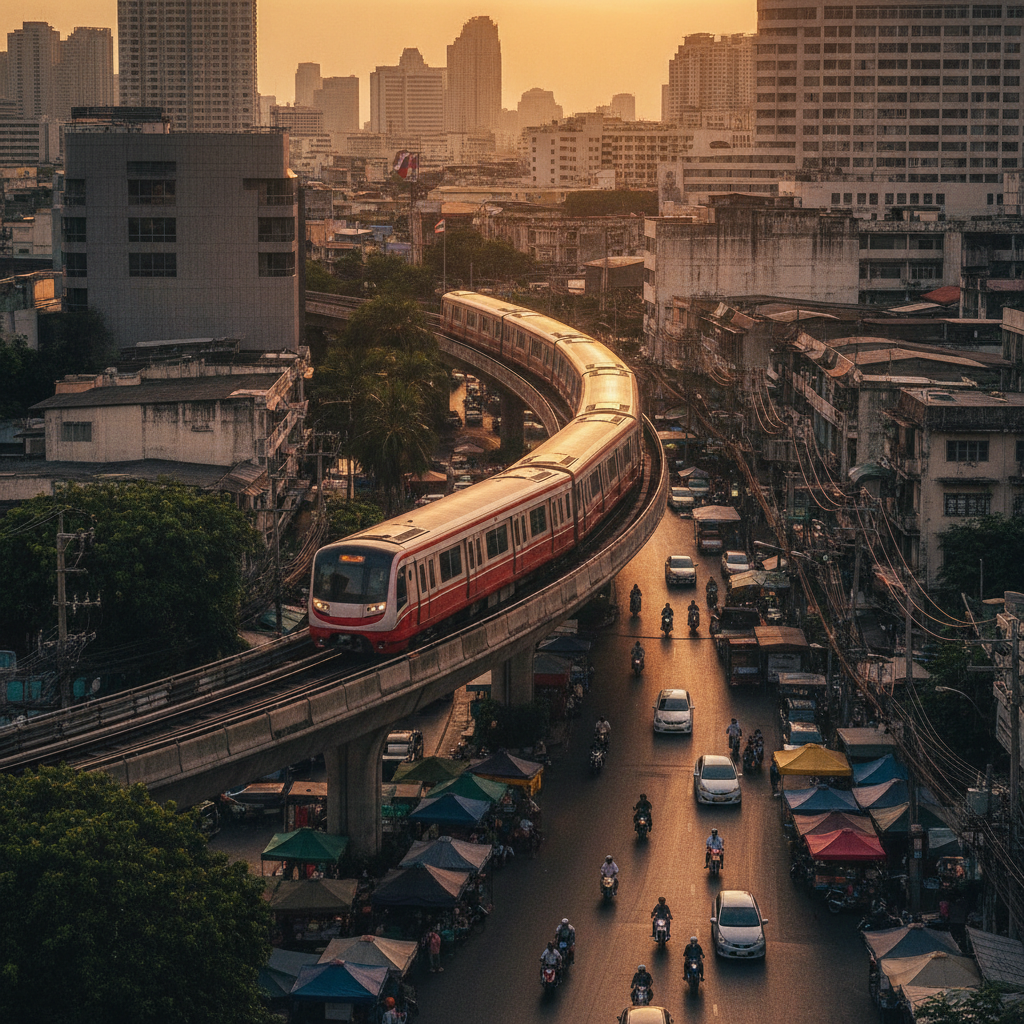
กรมธนารักษ์จะเริ่มรอบการประเมินราคาที่ดินและอสังหาริมทรัพย์ใหม่ในปี 2570 ซึ่งมีแนวโน้มสูงมากที่ราคาประเมินในย่านศูนย์กลางธุรกิจกรุงเทพจะปรับขึ้นตามราคาตลาดที่ฟื้นตัวหลังโควิด โดยเฉพาะในแนวรถไฟฟ้าที่ยังคงขยายตัวต่อเนื่อง
เมื่อราคาประเมินสูงขึ้น ฐานในการคำนวณภาษีที่ดินจะสูงขึ้นตาม ซึ่งหมายความว่าแม้อัตราภาษีจะไม่เปลี่ยน แต่จำนวนเงินที่ต้องจ่ายจริงจะเพิ่มขึ้นโดยอัตโนมัติ นักลงทุนที่ถือครองที่ดินในย่านที่มีโครงสร้างพื้นฐานใหม่ เช่น สถานีรถไฟฟ้าสายใหม่หรือโครงการพัฒนาขนาดใหญ่ของรัฐ จะรู้สึกผลกระทบนี้มากที่สุด
"การประเมินราคาที่ดินรอบปี 2570 จะเป็นครั้งแรกที่สะท้อนราคาตลาดหลังยุค Post-COVID อย่างแท้จริง — นักลงทุนที่คำนวณ ROI โดยใช้ราคาประเมินปัจจุบันเป็นฐาน อาจต้องทบทวนตัวเลขทั้งหมดใหม่ภายในปีครึ่งข้างหน้า"
- ย่านที่คาดว่าราคาประเมินจะปรับขึ้นสูงสุด: แนวรถไฟฟ้าสายสีส้ม สายสีชมพู และบริเวณโครงการพัฒนา EEC ที่มีการเชื่อมต่อเข้ากรุงเทพ
- ย่านที่ได้รับผลกระทบน้อยกว่า: พื้นที่ที่ราคาตลาดจริงยังใกล้เคียงราคาประเมินเดิม เช่น บางส่วนของฝั่งธนบุรี
- สิ่งที่ต้องทำก่อนปี 2570: ทบทวนพอร์ตอสังหาฯ ทั้งหมด ระบุที่ดินที่ไม่ได้ทำประโยชน์ และวางแผนภาษีล่วงหน้ากับผู้เชี่ยวชาญ
กลยุทธ์สำหรับแต่ละประเภทผู้ถือครอง: ซื้อ ขาย หรือปรับพอร์ต?
เจ้าของบ้านหลังเดียวควรทำอะไรตอนนี้?
หากคุณถือครองที่อยู่อาศัยหลักและมีชื่อในทะเบียนบ้าน คุณได้รับการยกเว้นภาษีที่ดินสำหรับมูลค่าแรก 50 ล้านบาท ซึ่งครอบคลุมที่อยู่อาศัยส่วนใหญ่ในกรุงเทพ แต่หากคุณถือครองอสังหาฯ หลายหน่วยหรือมีที่ดินที่ไม่ได้ใช้ประโยชน์ ภาระภาษีจะเริ่มสะสมอย่างมีนัยสำคัญ
นักลงทุนที่มีพอร์ตหลายหน่วยควรพิจารณาอะไร?
- ตรวจสอบ Yield หลังหักภาษีที่ดิน: ห้องชุดที่ให้ Yield ก่อนหักภาษี 4–5% อาจเหลือจริงเพียง 3–3.5% หลังภาษีที่ดิน ค่าส่วนกลาง และค่าซ่อมบำรุง
- ปล่อยเช่าให้มีผู้เช่าอยู่ตลอด: ห้องว่างถูกประเมินเป็น "ที่อยู่อาศัยรอง" และเสียภาษีเต็มอัตรา การมีผู้เช่าต่อเนื่องช่วยลดภาระได้บางส่วน
- พิจารณาขายสินทรัพย์ที่ไม่ให้ผลตอบแทน: ที่ดินเปล่าในย่านที่ยังไม่มีโครงการพัฒนาชัดเจนคือตัวดูดต้นทุนที่แพงที่สุดในพอร์ต
- โอนก่อนมิถุนายน 2569: หากมีแผนขายอสังหาฯ ราคาไม่เกิน 7 ล้านบาท การปิดดีลก่อนมาตรการหมดอายุช่วยประหยัดต้นทุนโอนได้จริง
ชาวต่างชาติที่ถือห้องชุดในกรุงเทพควรระวังอะไร?
ชาวต่างชาติที่ถือครองห้องชุดในฐานะที่อยู่อาศัยรอง (ไม่มีชื่อในทะเบียนบ้านไทย) จะไม่ได้รับการยกเว้นมูลค่าแรก 50 ล้านบาท และต้องเสียภาษีตั้งแต่บาทแรกของราคาประเมิน นอกจากนี้ยังต้องระวังกฎระเบียบการส่งเงินกลับประเทศและการรายงานทรัพย์สินในต่างประเทศตามกฎหมายของประเทศต้นทาง
ไลฟ์สไตล์ที่อยู่ร่วมกับการลงทุนอย่างชาญฉลาด: ย่านที่ให้ทั้งคุณภาพชีวิตและ ROI
การเลือกทำเลที่อยู่อาศัยในกรุงเทพปี 2569 ไม่ใช่แค่เรื่องราคาต่อตารางเมตร แต่ยังเกี่ยวกับต้นทุนภาษีระยะยาว คุณภาพชีวิต และสภาพคล่องในการขายเมื่อถึงเวลา ทำเลที่ดีในแง่การลงทุนต้องผ่านทั้งสองด้านพร้อมกัน
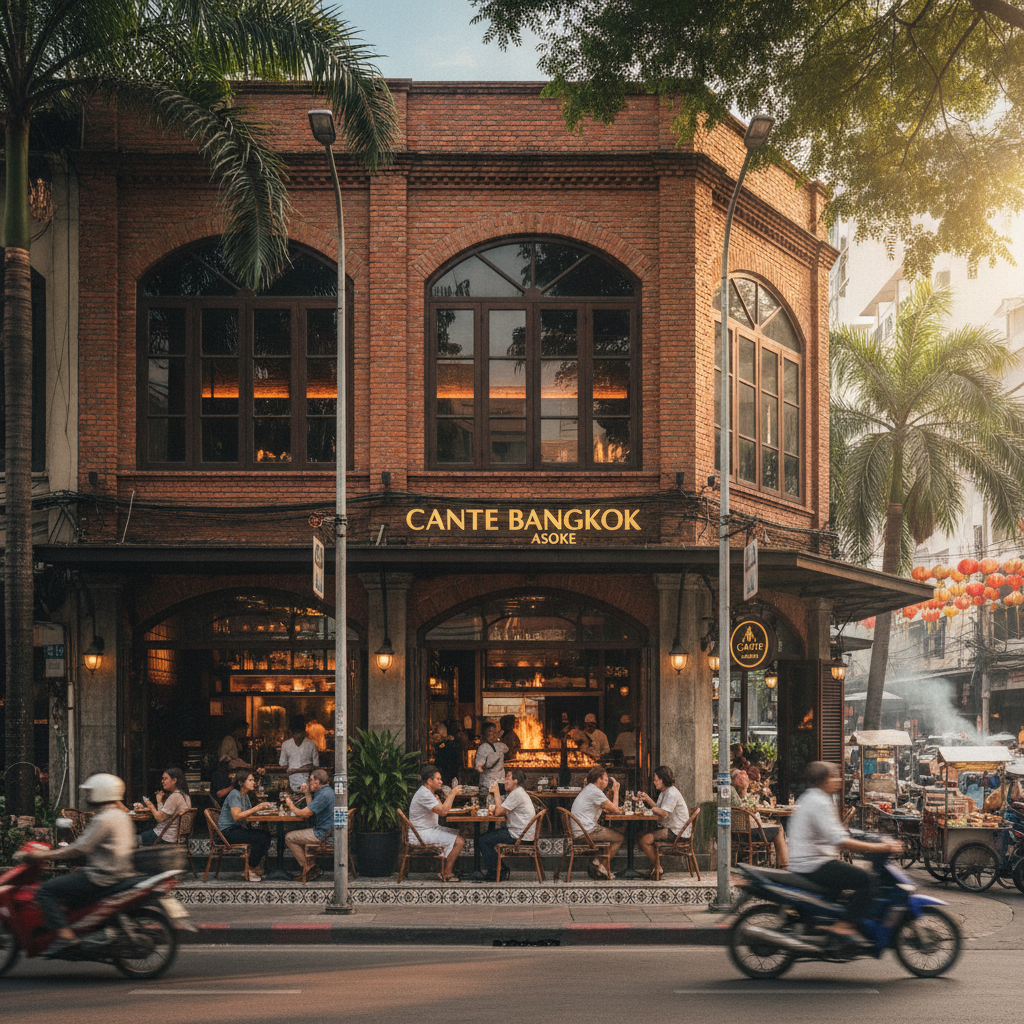
- สุขุมวิท (BTS อโศก – ทองหล่อ): ราคาประเมินสูง ภาษีสูง แต่ Demand จากผู้เช่าชาวต่างชาติและ Expat คงที่ตลอดปี ทำให้ Occupancy Rate สูงพอที่จะ Justify ต้นทุน นอกจากนี้ยังอยู่ใกล้ร้านอาหารระดับ Michelin Guide อย่าง Sühring, Le Du และ Gaggan ซึ่งเป็นปัจจัยดึงดูดผู้เช่าระดับพรีเมียม
- พระราม 9 – รัชดาภิเษก: ราคาประเมินต่ำกว่าย่านสุขุมวิทอย่างมีนัยสำคัญ แต่ Demand เติบโตต่อเนื่องจากการขยายตัวของ CBD และความใกล้ชิดกับ Central World และ Fortune Town ทำให้ภาษีต่อหน่วย ROI ยังมีความน่าสนใจ
- ลาดพร้าว – บางกะปิ (แนวรถไฟฟ้าสายสีเหลืองและสีส้ม): ราคาประเมินและราคาตลาดยังมีช่องว่างให้เห็น Capital Gain หลังการประเมินรอบปี 2570 แต่ Liquidity ต่ำกว่าย่านใจกลาง ต้องชั่งน้ำหนักกับกลยุทธ์ถือยาว
- สาทร – สีลม: ตลาด Office และที่อยู่อาศัยระดับบนที่มั่นคง ภาษีที่ดินสูงตามราคาประเมิน แต่ผู้เช่าระดับ Corporate รับประกัน Yield ที่สม่ำเสมอ
สูตรง่าย ๆ ที่นักลงทุนที่ดีใช้คือ: เลือกทำเลที่ Demand จากผู้เช่าสูงพอที่จะครอบคลุม (ภาษีที่ดิน + ค่าส่วนกลาง + ค่าเสื่อม) แล้วยังเหลือ Net Yield ที่ยอมรับได้ ไม่ใช่แค่ดูราคาขายที่ถูกที่สุด
สรุปแผนปฏิบัติการ: สิ่งที่ต้องทำก่อนสิ้นปี 2568
เวลาสำหรับการศึกษาข้อมูลโดยไม่ลงมือทำกำลังหมดลง จุดเปลี่ยนทั้งสี่ที่กล่าวมา ไม่ว่าจะเป็นภาษีที่ดินเต็มอัตรา ค่าธรรมเนียมโอนที่กลับสู่ระดับปกติ การประเมินราคาใหม่ และแรงกดดันในตลาด ล้วนมีวันที่ชัดเจนและไม่รอใคร
- ✅ ตรวจสอบสถานะภาษีที่ดินปัจจุบันของทุกสินทรัพย์ที่ถือครอง
- ✅ คำนวณ Net Yield หลังหักภาษีที่ดินในอัตราเต็มปี 2569
- ✅ ประเมินว่ามีอสังหาฯ ใดที่ควรโอนก่อนมิถุนายน 2569 เพื่อประหยัดค่าธรรมเนียม
- ✅ ระบุที่ดินรกร้างในพอร์ตที่กำลังสะสมภาษีอัตราสูงโดยไม่ให้ผลตอบแทน
- ✅ ปรึกษาผู้เชี่ยวชาญด้านอสังหาฯ และที่ปรึกษาภาษีก่อนการประเมินรอบปี 2570 มีผล
ความรู้ที่ไม่นำไปสู่การกระทำคือแค่ข้อมูล แต่ความรู้ที่นำไปสู่การตัดสินใจที่ถูกต้องในเวลาที่ใช่คือความได้เปรียบที่จับต้องได้จริงในตลาดอสังหาฯ กรุงเทพปี 2569
ขอรับการวิเคราะห์พอร์ตอสังหาฯ และแผนภาษีส่วนตัวโดยไม่มีค่าใช้จ่าย
หากคุณถือครองอสังหาริมทรัพย์ในกรุงเทพและต้องการทราบว่าภาษีที่ดิน 2569 และการประเมินราคาใหม่ปี 2570 จะกระทบพอร์ตของคุณอย่างไรในตัวเลขที่เป็นรูปธรรม ทีมที่ปรึกษาของเราพร้อมให้คำปรึกษาเบื้องต้นโดยไม่มีค่าใช้จ่ายและไม่มีข้อผูกมัด
เราวิเคราะห์ได้ทั้ง: ภาระภาษีที่ดินรายปีต่อหน่วย, Net Yield จริงหลังหักต้นทุนทั้งหมด, กลยุทธ์การโอนก่อนมาตรการสิ้นสุด และการจัดโครงสร้างพอร์ตให้รองรับการประเมินราคาใหม่ปี 2570
ติดต่อเพื่อนัดรับการวิเคราะห์พอร์ตส่วนตัว หรือขอแผนผังและรายละเอียดอสังหาฯ ที่น่าสนใจในทำเลที่คุณสนใจได้เลยวันนี้ — เพราะทุกเดือนที่รอคือต้นทุนที่หลีกเลี่ยงได้