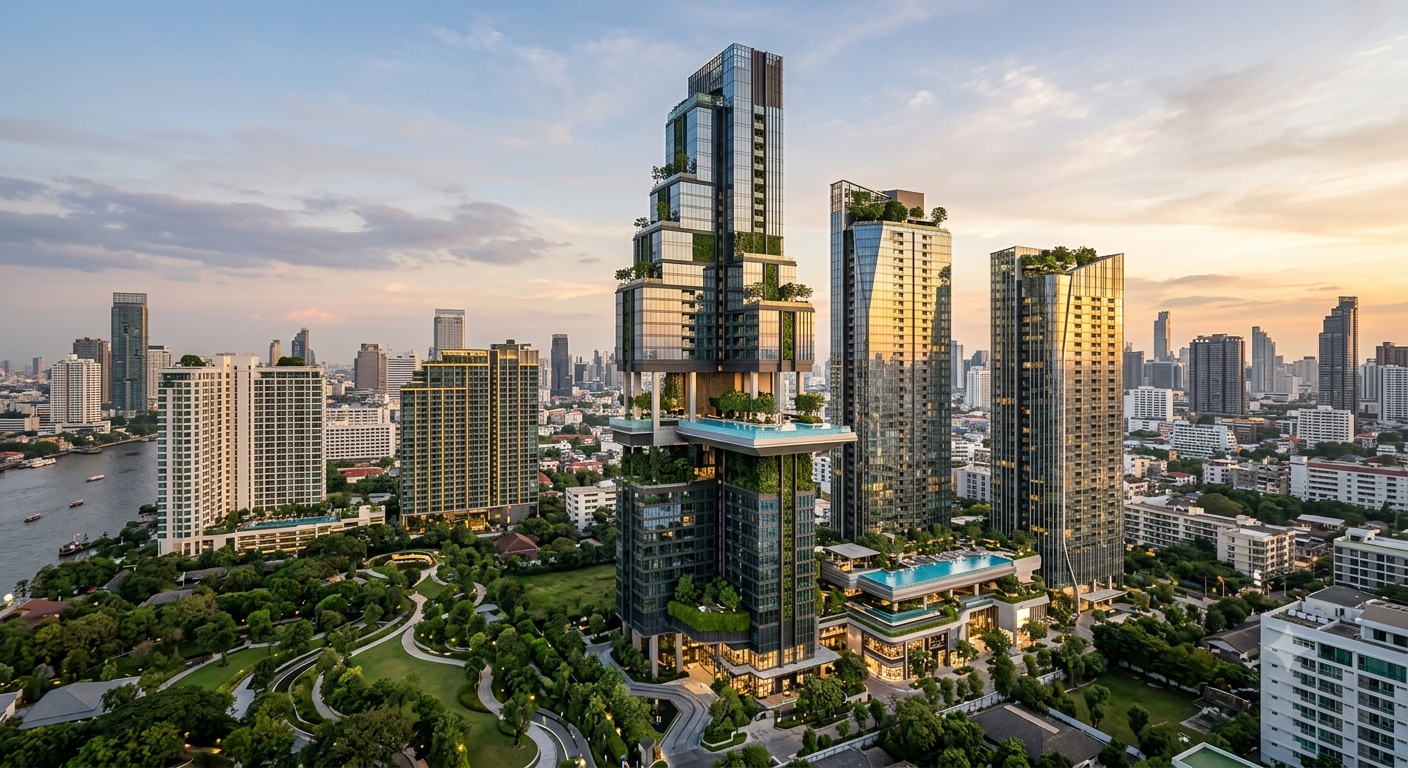
ဘန်ကောက်တွင် အိမ်ခြံမြေဝယ်ယူခြင်း — အခွန်အသစ်နှင့် အများအပြားနေအိမ်ရောင်းရန်ခက်ခဲမှုကြားမှ မည်သို့ပြုမူမည်နည်း (၂၀၂၆)

ဘန်ကောက်အိမ်ခြံမြေဈေးကွက် ၂၀၂၆ — ဘာဖြစ်နေသနည်း
ဘန်ကောက်တွင် ယနေ့ အိမ်ခြံမြေဈေးကွက်ထဲ ဝင်သောသူမဆို မျက်နှာချင်းဆိုင်ရသည့် အမှန်တရားတစ်ခုရှိသည် — ၃၅၀,၀၀၀ ကျော်သော ကွန်ဒိုနှင့် တိုက်ခန်းများ ရောင်းထွက်ရန် ကျန်ရှိနေဆဲဖြစ်သည်။ ဤဂဏန်းသည် မကြောက်မကြားနှင့်ဖြတ်သွားနိုင်မည့် ကိန်းဂဏန်းမဟုတ်ပေ။
ထိုအပေါ်တွင် ၂၀၂၆ ခုနှစ် တွင် ထိုင်းအစိုးရ၏ ပိုင်ဆိုင်မှုဆိုင်ရာ အခွန်ဖြစ်သောကြောင့် ပြောင်းလဲမှုသစ်များ ကြောင့် ပိုင်ရှင်များနှင့် ရင်းနှီးမြုပ်နှံသူများ တွက်ချက်မှုသစ် ပြုလုပ်ကြရမည်ဖြစ်သည်။ ဤနှစ်ချက်ပေါင်းစည်းလိုက်သည့်အခါ ဈေးကွက်သည် ဖိအားပြင်းသို့ ကျရောက်နိုင်သည်။
"ဘန်ကောက်ကွန်ဒိုဈေးကွက်တွင် ယခုအချိန်သည် ဝယ်သူအားသာသောကာလ ဖြစ်သည် — သို့သော် မှားယွင်းသောနေရာကို မှားယွင်းသောစျေးနှင့် မဝယ်ရန် ထက်ဝန်းသတ်မှတ်မှုသည် ပိုမိုအရေးကြီးသည်ထက် ပိုမိုအရေးကြီးလာသည်" — ဘန်ကောက်အိမ်ခြံမြေပညာရှင်တစ်ဦး၏ ထင်မြင်ချက်
သို့သော် ဈေးကွက်ကျဆင်းမှုသည် အမြဲတမ်း ဆုံးရှုံးမှုမဟုတ်ပေ။ မှန်ကန်သောနည်းဗျူဟာဖြင့် ဝင်ရောက်ပါက ၎င်းသည် ကောင်းမွန်သောအခွင့်အလမ်းဖြစ်နိုင်သည်။
ဘန်ကောက်အိမ်ခြံမြေ၏ တကယ့်တန်ဖိုးကို ခွဲခြားနားလည်ခြင်း
ကွန်ဒိုတစ်ခန်းဝယ်ရာတွင် နိုင်ငံခြားသား မည်မျှပိုင်ဆိုင်နိုင်သနည်း
ဘန်ကောက်ကွန်ဒိုတစ်ခုတွင် နိုင်ငံခြားသားများပိုင်ဆိုင်ပိုင်ခွင့် — ဆိုလိုသည်မှာ Condominium Act အရ ၄၉% ထိသာ နိုင်ငံခြားသားများပိုင်ဆိုင်ခွင့်ရှိသည်။ ဤကန့်သတ်ချက်သည် ကောင်းသောနေရာတည်နေသည့် ယူနစ်ကောင်းများတွင် Foreign Quota ကုန်ဆုံးသွားတတ်ကြောင်း ဆိုလိုသည်။ ဝယ်ယူရန်မစဉ်းစားမီ Foreign Quota ကျန်ရှိမရှိ စစ်ဆေးရန် မမေ့ပါနှင့်။
Nominee Company ဖြင့် ပိုင်ဆိုင်ရန်ကြိုးစားသောနိုင်ငံခြားသားများအတွက် ၂၀၂၆ တွင် Crackdown ပိုမိုတင်းကျပ်လာနေသောကြောင့် ဤနည်းလမ်းသည် ဆက်လက် အသုံးပြုရန် မိမိ၏ ရင်းနှီးမြုပ်နှံမှုကို ဆုံးရှုံးသွားနိုင်သည်။ Legal Advice ကြိုတင်ရယူခြင်းသည် မဖြစ်မနေလိုအပ်သည်။
Oversupply ကြောင့် ဘာဖြစ်လာနိုင်သနည်း
ရောင်းထွက်ရန်ခက်ခဲသော ၃၅၀,၀၀၀ ကျော်ယူနစ်ကြောင့် Developer အများစုသည် ဈေးလျော့ချ၍ ရောင်းနေကြသည်။ ၎င်းသည် ဝယ်သူများအတွက် ဆောင်းပါကလာ Discount များ၊ Free Furniture Package များ နှင့် ကြေးငွေကျသင့်နည်းချနိုင်မှုများ ကမ်းလှမ်းလာသည်ဆိုသော်လည်း ဝယ်ပြီးသည်နှင့် Resale Value ကျဆင်းနိုင်သည်ကိုလည်း သတိမမေ့ရပေ။
- Sukhumvit အလယ်ပိုင်း — Demand မြင့်မားဆဲ၊ Rental Yield ပျမ်းမျှ ၄.၅% မှ ၅.၅%
- Silom / Sathorn — ရုံးအနီး၊ expat များ ဆက်လက်ငှားဆဲ၊ Yield ပျမ်းမျှ ၄%–၅%
- Outer Zones (Lat Phrao, Bang Na) — Oversupply ဆိုးရွားဆုံး၊ Yield ကျဆင်းနေ၊ ဝယ်ရန် သတိထားရန်
- Riverside / Charoen Nakhon — Boutique Luxury Units နှင့် နိုင်ငံခြားသားများ ငှားဆိုင်ကြောင်းကောင်း
၂၀၂၆ ခုနှစ် အခွန်ပြောင်းလဲမှုများ — ပိုင်ရှင်တိုင်းသိထားရမည်
ဘန်ကောက်တွင် ကွန်ဒိုပိုင်ဆိုင်သူများ ၂၀၂၆ အခွန်ဥပဒေသစ်ကြောင့် မည်မျှဒဏ်ရာပေးနိုင်သနည်း
ထိုင်း Land and Building Tax ဥပဒေအရ ၂၀၂၆ တွင် ဆိုင်းငံ့ထားသောသက်သာမှုများ ကုန်ဆုံးလာနိုင်ဖွယ်ရှိပြီး လက်ရှိ Principal Residence ဆိုသည့် သက်သာခွင့်မပေးသောကြောင့် ငှားရမ်းသောအိမ်ခြံမြေများ ၀.၃% မှ ၀.၇% နှစ်ပတ်အခွန် ပေးဆောင်ရနိုင်ဖွယ်ရှိသည်။
ဤသည်မှာ ကွန်ဒိုတစ်ခန်းကို THB ၅ သန်းတန်ကြောင်းနှင့် ငှားသောပိုင်ရှင်တွက်ချက်ပါက နှစ်ပတ် THB ၁၅,၀၀၀ မှ THB ၃၅,၀၀၀ ကြား ထပ်တိုးသွားနိုင်သည်ကို ဆိုလိုသည်။ Rental Yield ကိုယ်တိုင် ပြန်တွက်ကြည့်ရမည်။
"Net Rental Yield ကိုတွက်သောအခါ အခွန်ဆိုသည်မှာ ပထမဆုံးဖြတ်ရမည့် ကုန်ကျစရိတ်ဖြစ်သည် — အထူးသဖြင့် ၂၀၂၆ နောက်ပိုင်း ဥပဒေသစ်များနှင့်အတူ Gross Yield ကိုသာကြည့်ပြီး ဆုံးဖြတ်ခြင်းသည် မှားယွင်းသောနည်းလမ်းဖြစ်သည်"
ဥပမာ — THB ၁ သန်းနှစ်ပတ် Gross Rent ရသောကွန်ဒိုတွင် Management Fee, Sinking Fund, အခွန်နှင့် ကြားကာလ Vacancy ပေါင်းပါက Net Yield ၂.၅% ထိ ကျဆင်းနိုင်သည်ကို သတိပြုရမည်။
နှစ်ဦးနှစ်ဖက် ကောင်းမွန်မည့် ဘန်ကောက်အိမ်ခြံမြေအနေအထား — BTS / MRT နှင့် နီးကပ်မှု
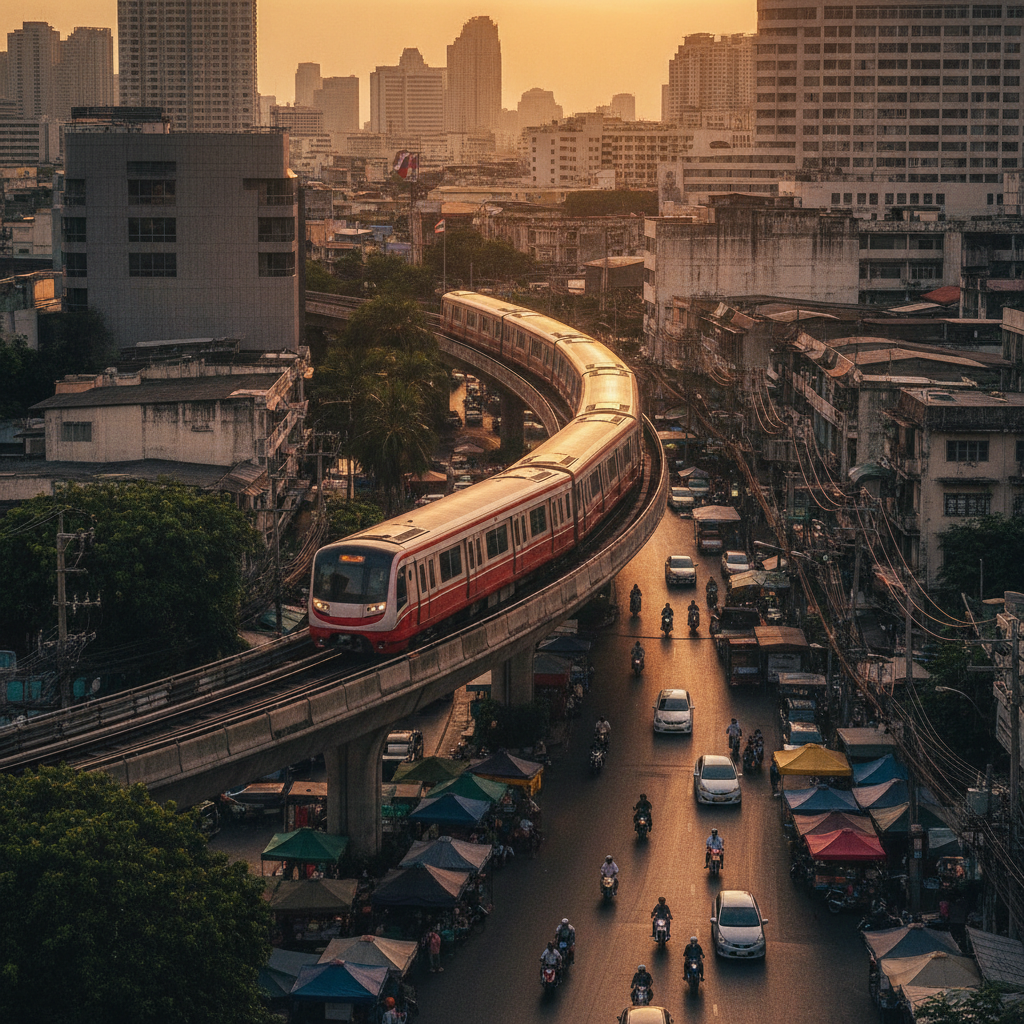
ဘန်ကောက်တွင် ကွန်ဒိုဝယ်ရောင်း ငှားရမ်းမှု၌ Transit Proximity သည် တန်ဖိုးသတ်မှတ်မည့် အဓိကအချက်ဖြစ်သည်။ BTS Skytrain သို့မဟုတ် MRT Blue Line မှ ၅ မိနစ်လျှောက်ရသောကွန်ဒိုများသည် ၁၅ မိနစ်ခွာသောကွန်ဒိုနှင့် ငှားဈေး ၂၅% မှ ၄၀% ထိ ကွာဟတတ်သည်။
- BTS Asok / Phrom Phong — Expat ငှားဈေးကောင်း၊ နိုင်ငံတကာကျောင်းနှင့် ဆေးရုံနီး
- MRT Silom — Financial District နှင့် ချိတ်ဆက်မှုကောင်း၊ Japanese Expat Community ကြောင်းကောင်း
- BTS On Nut — Budget-Conscious Expat Market ကောင်း၊ Yield မြင့်နိုင်
- MRT Lat Phrao — Thai Middle Class Demand ကောင်း၊ Oversupply အနည်းငယ်ပြောင်းနေ
- BTS Krung Thon Buri / Charoen Nakhon — Luxury Riverside Segment၊ Tourism ကောင်းလျှင် Short-Term Rental ကောင်း
Transit Hub မှ ၃၀၀ မီတာ အတွင်းသော ကွန်ဒိုများကို ဝယ်ပါက Resale Value ကာကွယ်မှုပိုကောင်းသည်ဟု ဘန်ကောက်အိမ်ခြံမြေကျွမ်းကျင်သူများ ညီတညွတ်တည်းအတည်ပြုကြသည်။
ငှားရမ်းဝင်ငွေနှင့် ရင်းနှီးမြုပ်နှံမှုအမြင် — ဘန်ကောက်ကွန်ဒိုမှ Net Yield တကယ်ဘယ်လောက်ရနိုင်သနည်း
ဘန်ကောက်ကွန်ဒိုတစ်ခန်းမှ Rental Yield တကယ်ဘယ်လောက်ရနိုင်သနည်း
Gross Rental Yield ဆိုသည်မှာ Developer ကြော်ငြာများတွင် ပြတတ်သောကိန်းဂဏန်းဖြစ်ပြီး ၅%–၇% ဆိုသောဂဏန်းများ မကြာခဏတွေ့ရသည်။ သို့သော် Net Yield ဆိုသည်ကား ကွဲပြားသည်။
- Management Fee: ကွန်ဒိုကြေး တစ်နှစ် THB ၃၀,၀₀₀ – THB ₈₀,₀₀₀ အကြား
- Sinking Fund: အပိုအထည်ငွေ တစ်ကြိမ်ကနည်ပေမဲ့ ရှည်လျားသောကာလတွင် Repair ကြေး
- Agent Commission: ၁ – ၂ လ ငှားဈေးနှင်ပမာဏ ကနဦးကိုယ်တိုင်ကျသင့်
- Vacancy Period: တစ်နှစ်လျှင် ၁ – ၂ လကြား အလွတ်ကြာနိုင်
- Land and Building Tax (2026): ၀.၃% – ၀.၇% ပမာဏ
ဤအားလုံးဖြတ်ပြီးနောက် THB ၅ သန်းကွန်ဒိုတစ်ခန်းမှ Net Yield မှာ ၂.၅% မှ ၃.၈% ကြားသာ တကယ်ကျန်တတ်သည်ဟု ကျွမ်းကျင်သူများ ခန့်မှန်းကြသည်။ ဤသည်ကို ဦးစွာနားလည်ပြီးမှ ရင်းနှီးမြုပ်နှံမှုဆုံးဖြတ်ချက်ချပါ။
Capital Gain ကိုမြော်လင့်၍ ဝယ်သောသူများအတွက် — BTS/MRT နောက်ဆုံးသတ်မှတ်ကွန်ဒိုများတွင် ၅ နှစ်ကိုင်ထားပြီး ၁၅% မှ ၂၅% Capital Appreciation ကြိုမျှော်နိုင်သော်လည်း ဈေးကွက်ပြောင်းလဲမှုကြောင့် မသေချာမှုများ ဆက်လက်ကျန်ရှိနေဆဲဖြစ်သည်။
ကိုယ်ပိုင်ကြည့်ရှုခြင်းနှင့် နှိုင်းယှဉ်လေ့လာမှု စီစဉ်ပေးပါ
ဘန်ကောက်ကွန်ဒိုဈေးကွက်ကို ဒေတာနှင့် ကျွမ်းကျင်သောလမ်းညွှန်မှုမပါဘဲ ဝင်ရောက်ကြိုးစားခြင်းသည် အချိန်နှင့် ငွေကုန်ကျစေနိုင်သည်။ ကျွန်ုပ်တို့၏ ကျွမ်းကျင်သောအကြံပေးအဖွဲ့သည် သင်၏ Budget၊ Lifestyle လိုချင်မှုနှင့် Investment Goal အပေါ် မူတည်၍ အကောင်းဆုံးနေရာများကို Floor Plan Analysis နှင့်အတူ ကြိုတင်ရွေးချယ်ပေးနိုင်ပါသည်။
ယနေ့ပင် Private Viewing ချိန်းဆိုလိုသောသူများ သို့မဟုတ် ကွန်ဒိုတစ်ခုခု၏ Floor Plan Data နှင့် Net Yield Projection ကို ဦးစွာကြည့်ချင်သောသူများ — ကျွန်ုပ်တို့ထံ ဆက်သွယ်ပေးပါ။ ကတိကဝတ်မပါဘဲ လွတ်လပ်သောအကြံဉာဏ်ပေးမှုဖြစ်သောကြောင့် ဝန်ဆောင်မှုဆိုင်ရာ ဖိအားမရှိပဲ ဦးစွာ အချက်အလက်ရယူနိုင်ပါသည်။
- ✅ Floor Plan ကြိုတင်စစ်ဆေးမှု — အခမဲ့
- ✅ Net Yield တွက်ချက်ပေးခြင်း — တောင်းဆိုသူတိုင်းအတွက်
- ✅ Foreign Quota Status စစ်ဆေးမှု — ဝယ်ယူမစဉ်
- ✅ Legal Due Diligence Referral — ယုံကြည်ရသောဥပဒေပညာရှင်များနှင့် ချိတ်ဆက်ပေးမှု
ကျွန်ုပ်တို့ကိုဆက်သွယ်ပါ — ဘန်ကောက်အိမ်ခြံမြေတွင် သင်၏ ရင်းနှီးမြုပ်နှံမှုကို ကာကွယ်ရန် ပထမဆုံးအဆင့်ကို ယနေ့ပင်ပြုလုပ်ပါ။