Wellness Condo Bangkok: Inside the City's Most Serious 'Fitness-First' Luxury Residences

When the Gym Is the Headline, Not the Afterthought
The old luxury condo checklist — marble lobby, infinity pool, concierge — is functionally obsolete for the buyer profile now dominating Bangkok's premium residential market. High-net-worth expats, returning Thai professionals, and foreign investors with HYROX registrations on their calendar are asking a different first question: What does my daily fitness routine actually look like inside this building?
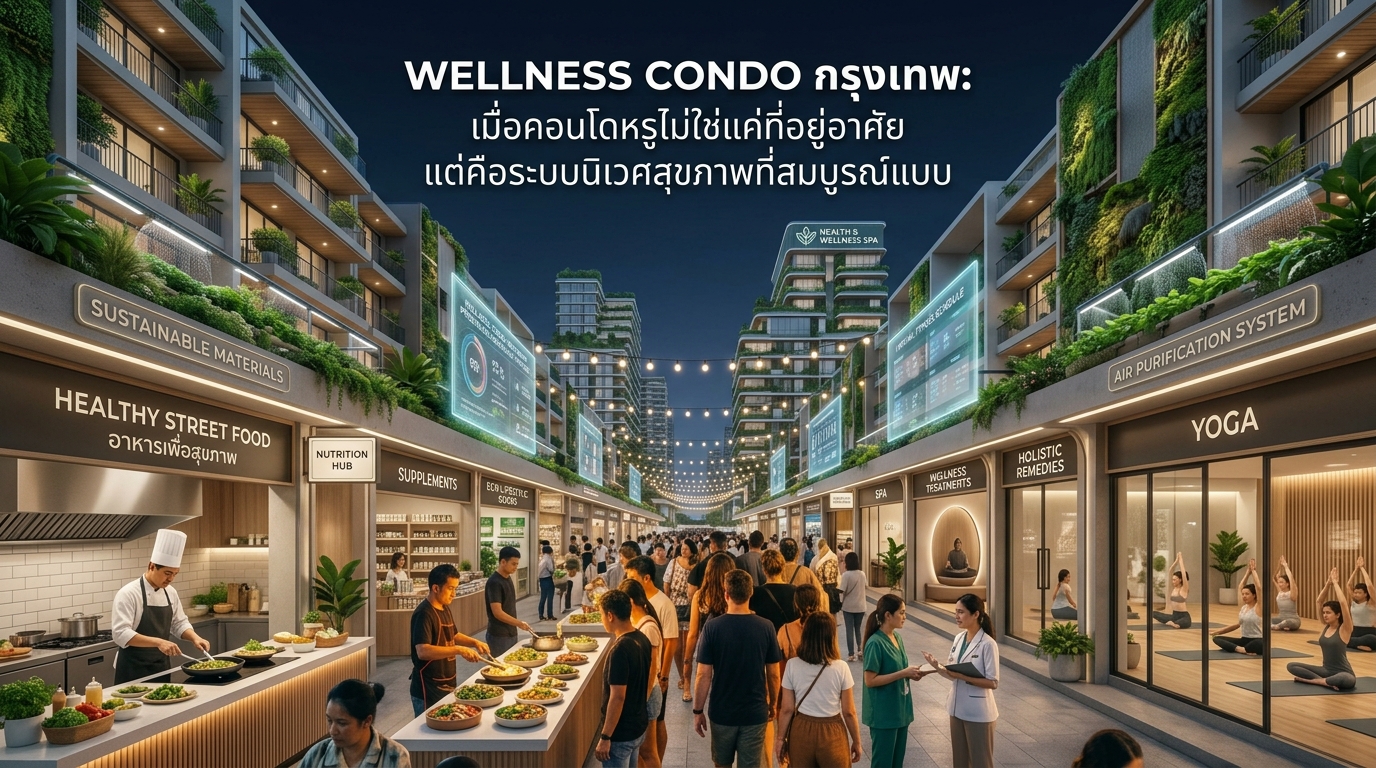
This is not a lifestyle trend. It is a structural shift in how Bangkok's upper residential tier prices amenity packages. Buildings that treat wellness as a core infrastructure investment — dedicated altitude training studios, cold-plunge recovery suites, rooftop yoga decks with unobstructed skyline sightlines — are sustaining asking-price resilience that purely aesthetic luxury projects cannot match in a softening general market.
Foreign buyer volumes in Bangkok's luxury segment rose 32% in the most recent tracked period, and the cohort driving that growth skews younger, healthier, and dramatically more specific about how their living environment supports physical performance. The wellness condo category exists precisely to capture that demand.
Insider Property Insight: Branded residences and wellness-integrated developments in Bangkok's prime zones — Sukhumvit, Silom, and the Chao Phraya riverside corridor — are trading at a 15–22% premium per square metre over comparable non-wellness luxury stock. That gap has widened consistently for three consecutive years, making amenity quality a genuine asset-protection variable, not merely a sales tactic.
Decoding the True Value of Bangkok's Fitness-First Residential Developments
What separates a genuine wellness condo from a building with a nice treadmill?
A genuine wellness condo is a residential development where fitness and recovery infrastructure occupies a dedicated, purpose-designed floor plate or multi-zone amenity programme — including professional-grade equipment, group class studios, outdoor training decks, and active recovery facilities — rather than a single gym room retrofitted into surplus space.
The distinction matters enormously at the point of purchase and at the point of resale. Buildings that have invested in Technogym or Life Fitness commercial-grade equipment fleets, appointed certified wellness directors, and built programming calendars — morning bootcamps, rooftop yoga at sunrise, evening stretch sessions with city views — create a resident retention dynamic that directly suppresses vacancy rates and supports rental yield floors.
Bangkok's most credible fitness-first developments share four non-negotiable characteristics:
- Dedicated vertical square footage: Wellness zones occupying a minimum full floor, not shared with co-working or event space
- Professional programming: Structured class schedules with certified instructors, not merely equipment access
- Recovery infrastructure: Steam, sauna, cold-plunge, or hydrotherapy — active recovery, not just a locker room
- Outdoor training integration: Rooftop decks or sky terraces engineered for yoga, HIIT, or functional training with structural load ratings that support dynamic movement
Projects ticking all four are genuinely scarce. Bangkok has dozens of buildings that market themselves using wellness language. Fewer than a handful have built the physical infrastructure to justify it.
The Rooftop Yoga Moment — And Why Location Determines Its Value
The viral visibility of rooftop wellness experiences — King Power Mahanakhon's observation deck yoga events, the Amara Bangkok's skyline sessions, Nobu Hotel's fitness programming — has trained Bangkok's luxury buyer cohort to expect elevated outdoor wellness spaces. The question is which residential buildings have translated that hospitality benchmark into permanent resident amenity.
For a rooftop yoga or training deck to function as a genuine lifestyle asset rather than a marketing photograph, it requires: eastern or unobstructed orientation for morning use, wind mitigation design above the 30th floor, non-slip surface material rated for dynamic movement, and proximity to a locker and shower facility that does not require descending twenty floors. These are engineering decisions made at the architectural stage — they cannot be retrofitted.
Seamless Living: Transit, Nutrition, and the Wellness Ecosystem Beyond Your Lobby
The Michelin Dimension: Premium F&B Within the Wellness Radius
A fitness-first lifestyle does not end at the building's podium deck. Bangkok's prime wellness condo zones — concentrated along Sukhumvit's BTS corridor, the Silom–Sathorn axis, and the riverside precinct — sit within deliberate proximity to a dining ecosystem that supports performance nutrition as readily as it supports celebration.
Within the meaningful daily catchment of Bangkok's leading wellness residential zones:
- Michelin-starred and Michelin-recommended restaurants offering structured tasting menus built around seasonal, low-intervention ingredients
- Cold-press juice and functional nutrition cafés operating from 06:00 to capture the pre-training window
- Premium Japanese, Scandinavian, and Levantine dining rooms — all cuisines with documented wellness-aligned menu architecture — clustered within a 10-minute walk or one BTS stop
- Farmers' market access points operating weekly within the Phrom Phong and Thonglor corridors
This is not incidental. Buyers purchasing into wellness condos are conducting due diligence on their nutrition environment with the same rigour they apply to the building's gym specification. Proximity to quality, health-conscious dining is a documented factor in premium condo valuation within Bangkok's international buyer segment.
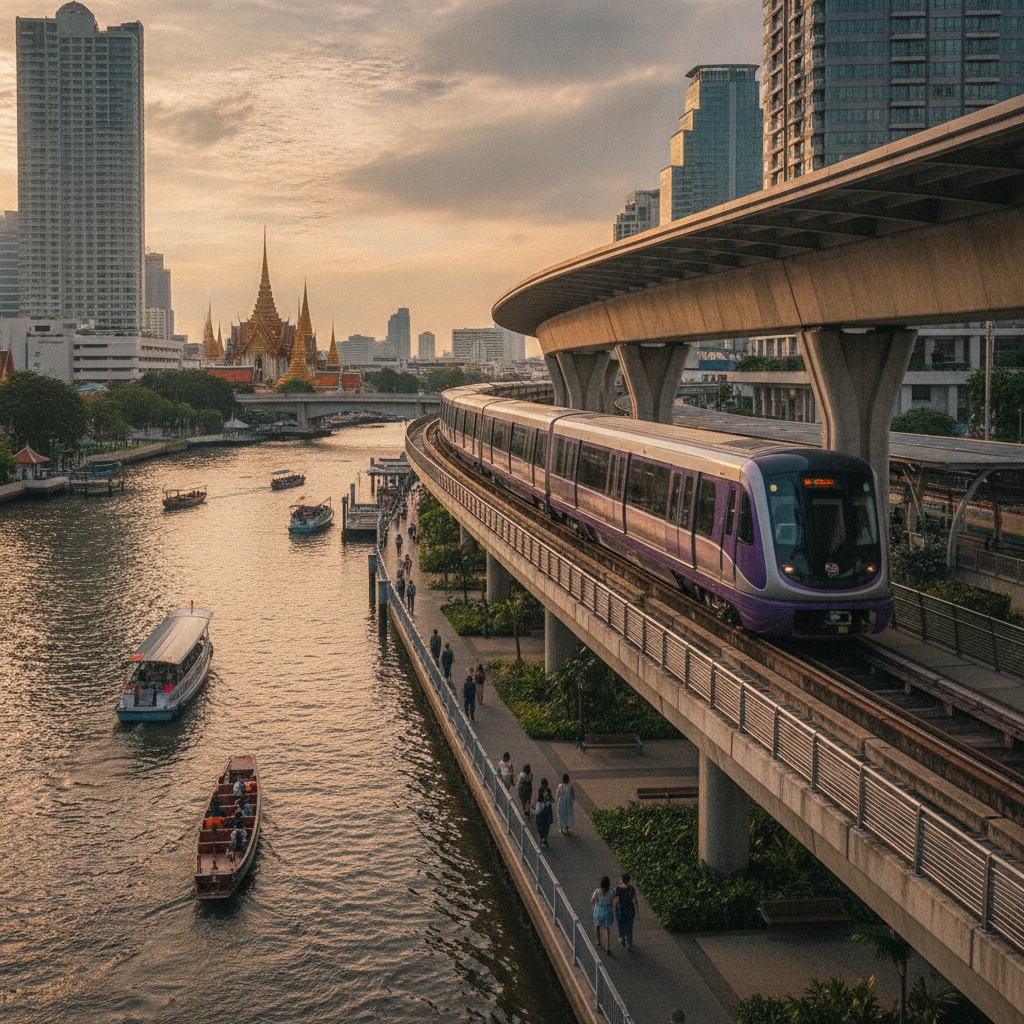
BTS and MRT Access: The Recovery Day Logistics
Elite wellness routines require more than in-building infrastructure. Bangkok's fitness-first resident profile — the 38-year-old regional director training for a triathlon, the creative entrepreneur who runs 10K before client calls — depends on frictionless access to specialist facilities citywide.
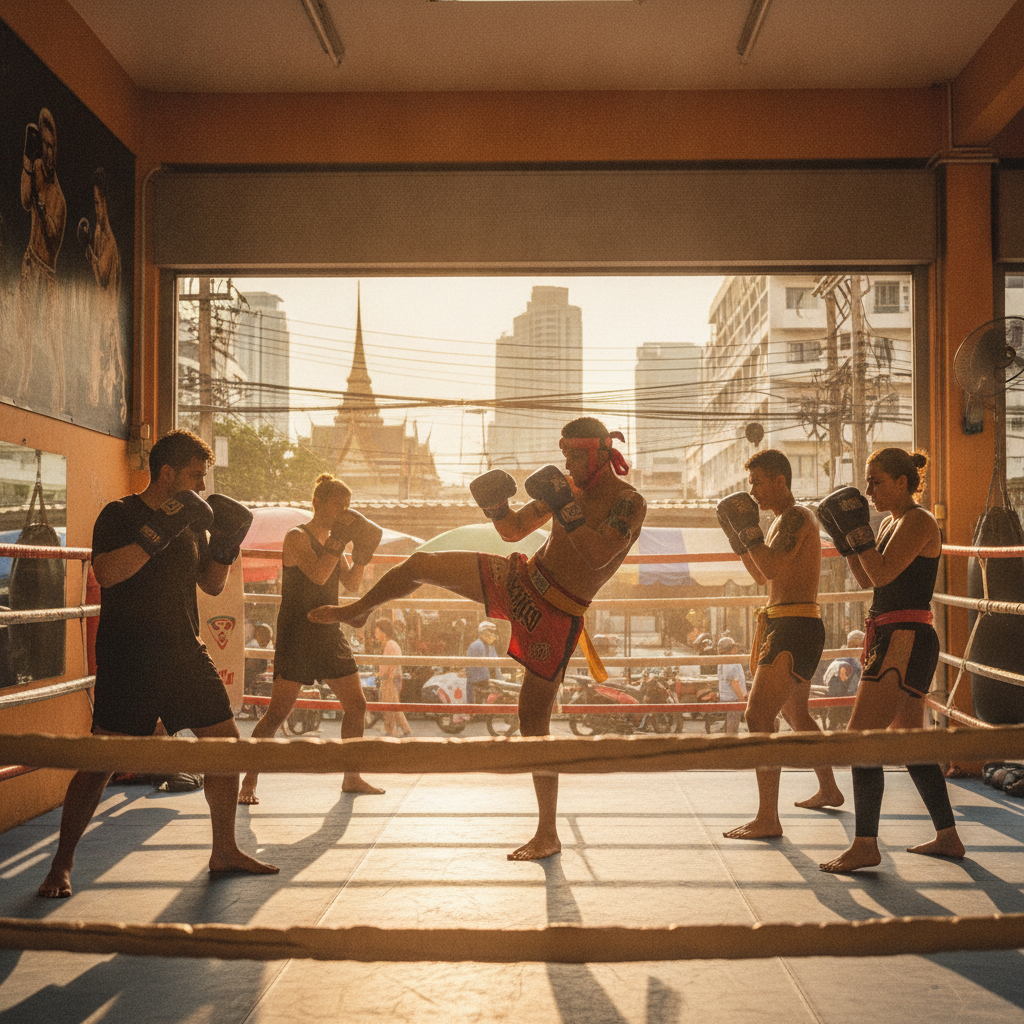
- BTS Skytrain proximity within a four-minute walk connects wellness condo residents to Bangkok's concentrated studio gym ecosystem: CrossFit boxes, Muay Thai camps, Pilates boutiques, and altitude training facilities scattered along the Sukhumvit line
- MRT Blue Line access opens the Silom and Lumphini corridor — home to Lumphini Park's morning running circuit, one of Southeast Asia's most active urban fitness environments
- HYROX Bangkok (August 2026) at a central venue positions the city as a serious competitive fitness destination — and positions wellness condo residents as the natural home base for regional athletes competing in and around the event
Wellness Condo Market Conditions, Layouts, and What Rental Yields Actually Look Like
Who Is Buying Bangkok Wellness Condos in 2025–2026?
The buyer profile for Bangkok's fitness-first luxury residential tier has stratified into three distinct segments, each with different unit size preferences and yield expectations.
HNW foreign buyers — predominantly from Hong Kong, Singapore, the UK, and the Middle East — are targeting 2-bedroom and 3-bedroom configurations between 85–160 sqm. Their primary concern is asset liquidity and legal title clarity. Well-structured freehold condominium titles under Thailand's Foreign Quota allocation (maximum 49% of a building's total unit area available to foreign ownership) provide the cleanest ownership pathway, and buildings with strong wellness positioning are maintaining their foreign quota allocation at premium prices rather than discounting to clear inventory.
Expatriate professionals on long-term contracts dominate the rental demand side of the wellness condo equation. A 1-bedroom or 1.5-bedroom unit in a certified wellness building — 55–75 sqm — rented to a senior corporate or diplomatic community tenant is achieving monthly rental yields that outperform equivalent non-wellness stock by 8–12% in Bangkok's prime zones, reflecting the genuine scarcity of buildings where the amenity promise is delivered rather than merely advertised.
Thai upper-professional buyers — physicians, architects, senior executives — represent the fastest-growing domestic segment within wellness residential. This cohort is purchasing for owner-occupation and is the most technically rigorous in amenity due diligence, frequently visiting buildings multiple times specifically to assess gym equipment specification, class programming quality, and the actual condition of recovery facilities before committing.
Layout Intelligence: The Configurations That Work Hardest
- Studio and 1-Bedroom (35–55 sqm): Highest rental velocity, lowest entry point, dependent on building's shared wellness infrastructure being genuinely premium — because this resident has no private space for home fitness equipment
- 1.5-Bedroom (55–75 sqm): The performance sweet spot for the solo wellness buyer — enough space for a dedicated stretch or mat-work zone without paying for unused guest bedroom square footage
- 2-Bedroom (85–120 sqm): The primary target for couples or co-purchasing friends with divergent training schedules — where building programming breadth (yoga and strength and recovery) becomes a purchase requirement, not a bonus
- 3-Bedroom Penthouse (160 sqm+): Owner-occupier or long-stay corporate rental, where private terrace space for outdoor training supplements building amenity rather than replacing it
Gross rental yields in Bangkok's prime wellness condo segment are currently tracking between 4.2% and 5.8% annually, with buildings demonstrating verifiable amenity quality and active programming calendars sitting at the upper end of that range. Net yields after management fees and building maintenance typically settle between 3.5% and 4.8% — meaningfully above Bangkok's broader luxury condo average.
Schedule a Private Wellness Tour and Floor-Plan Analysis
If you have reached this section, you are not browsing casually. You are evaluating whether Bangkok's wellness condo category represents the right intersection of lifestyle architecture and asset strategy for your specific situation — and that evaluation deserves a conversation built around your actual requirements, not a generic showroom script.
A private tour of the leading fitness-first residential developments in Bangkok's prime zones can be arranged on a fully confidential basis. This includes access to amenity floors during active programming hours — so you experience the gym at 07:00 and the rooftop deck at sunset, not during a staged midday walk-through — as well as a detailed floor-plan analysis matching unit configurations to your ownership structure, budget ceiling, and intended use.
For foreign buyers navigating the Foreign Quota allocation landscape, a title and quota availability briefing is included at no obligation. For investors requiring rental yield modelling against comparable recently transacted buildings, that analysis is prepared before the appointment, not improvised during it.
- 🏋️ Amenity audit tours — see the gym specification, recovery suite, and rooftop training deck in real operating conditions
- 📐 Floor-plan matching — unit configurations mapped to your lifestyle requirements and ownership goals
- 📊 Yield benchmarking — rental performance data for wellness-positioned buildings versus the broader luxury market
- 🔑 Quota and title clarity — Foreign Quota availability and freehold title status confirmed before you invest time in a viewing
Arrange your private viewing or request a floor-plan analysis today. Appointments are limited and conducted by appointment only — no walk-ins, no pressure, no script.
Contact us directly to specify your preferred building zones, budget range, and ownership intent. The right wellness residence in Bangkok is a genuinely specific asset. Finding it requires a genuinely specific conversation.